Micro-Residency at Moray School of Art
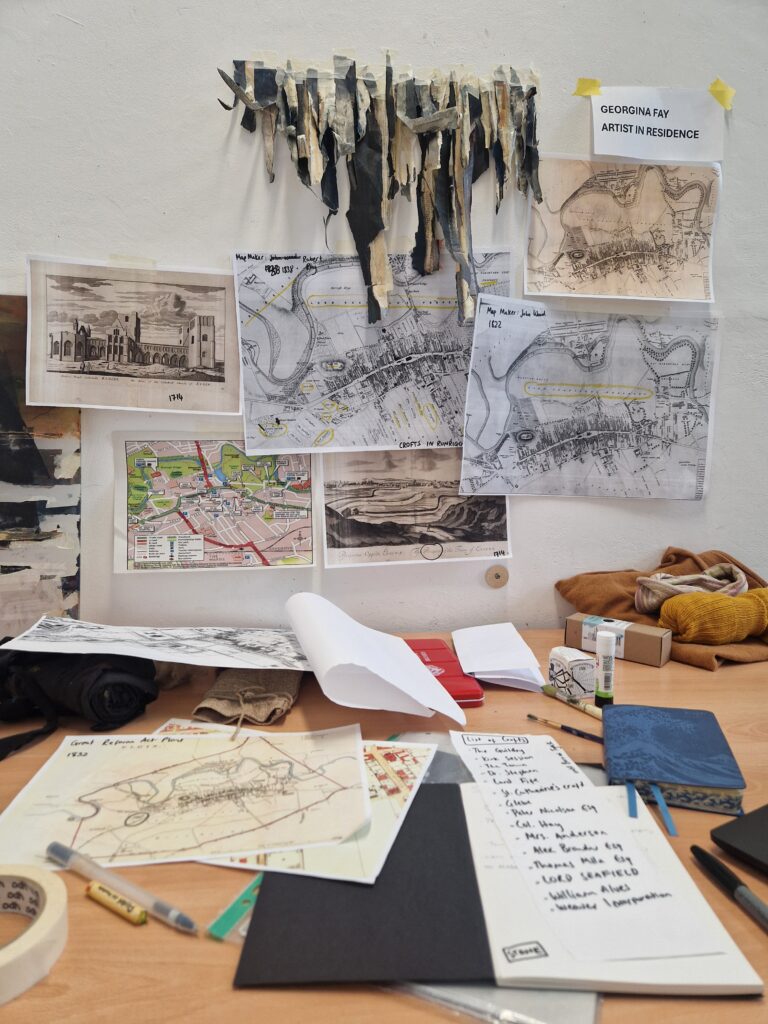
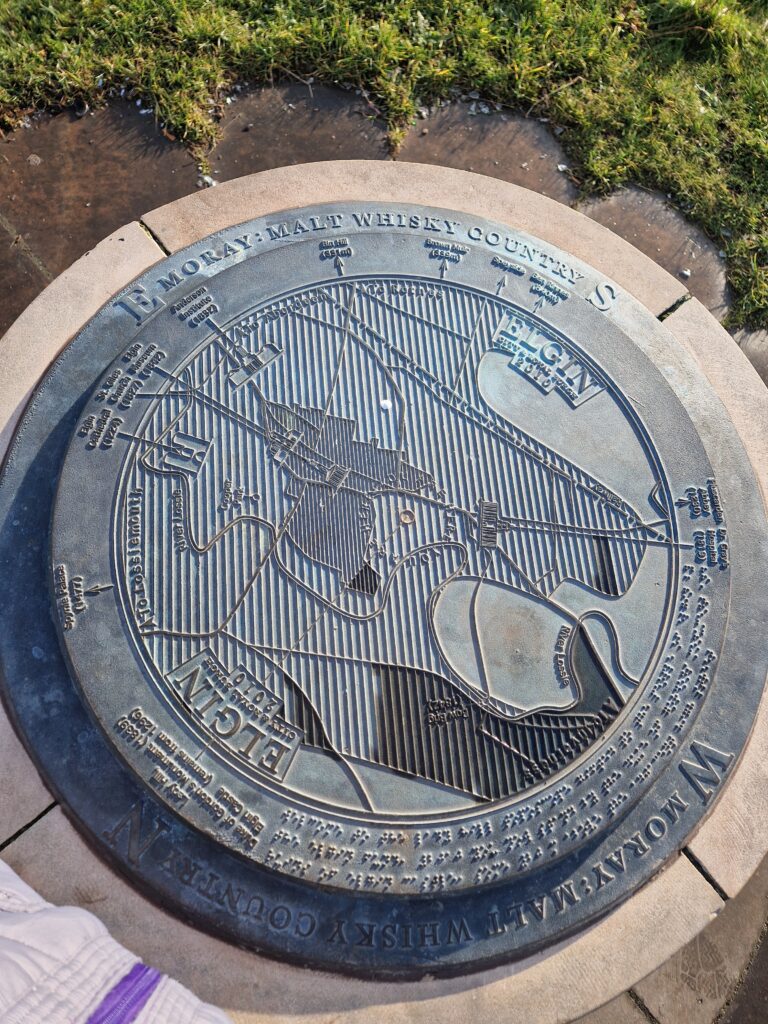
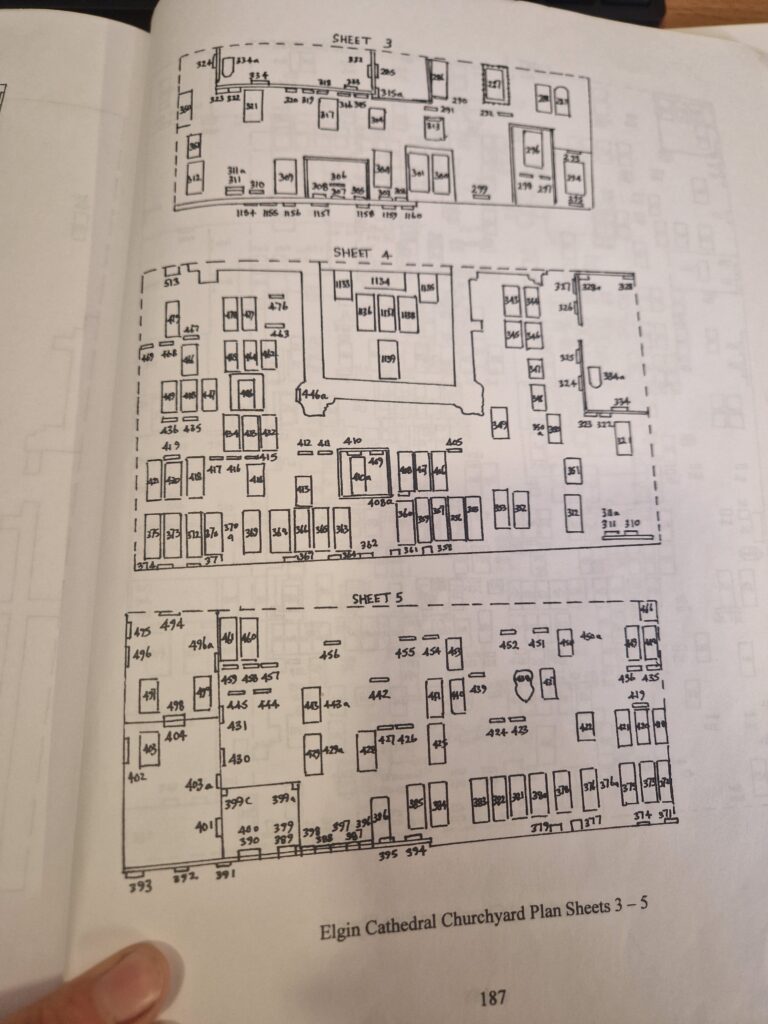
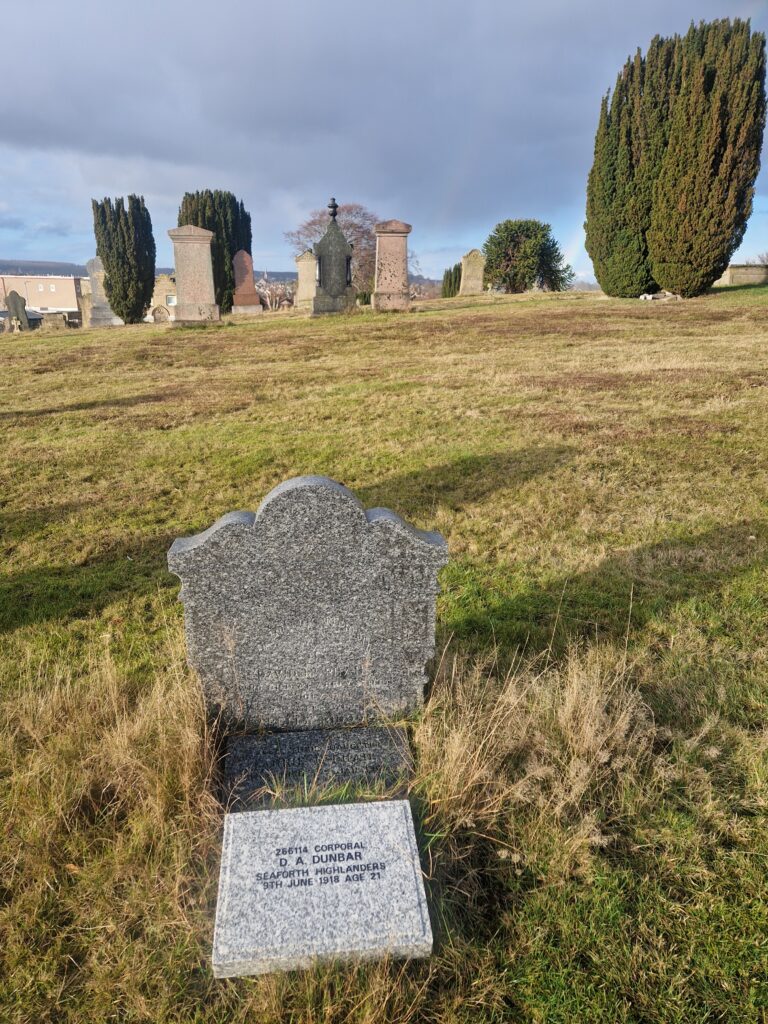
In early 2026 I was selected to complete an artist residency based at the Moray School of Art in Elgin. My proposal was research based and then through participation and collaboration I hoped to develop a body of work responding to place, memory and my research into the area and my own family history.
I recently discovered that my Great Grandparents were originally from Elgin before emigrating to South Africa and I set out to the local archives (held at the Elgin Library) to discover more.
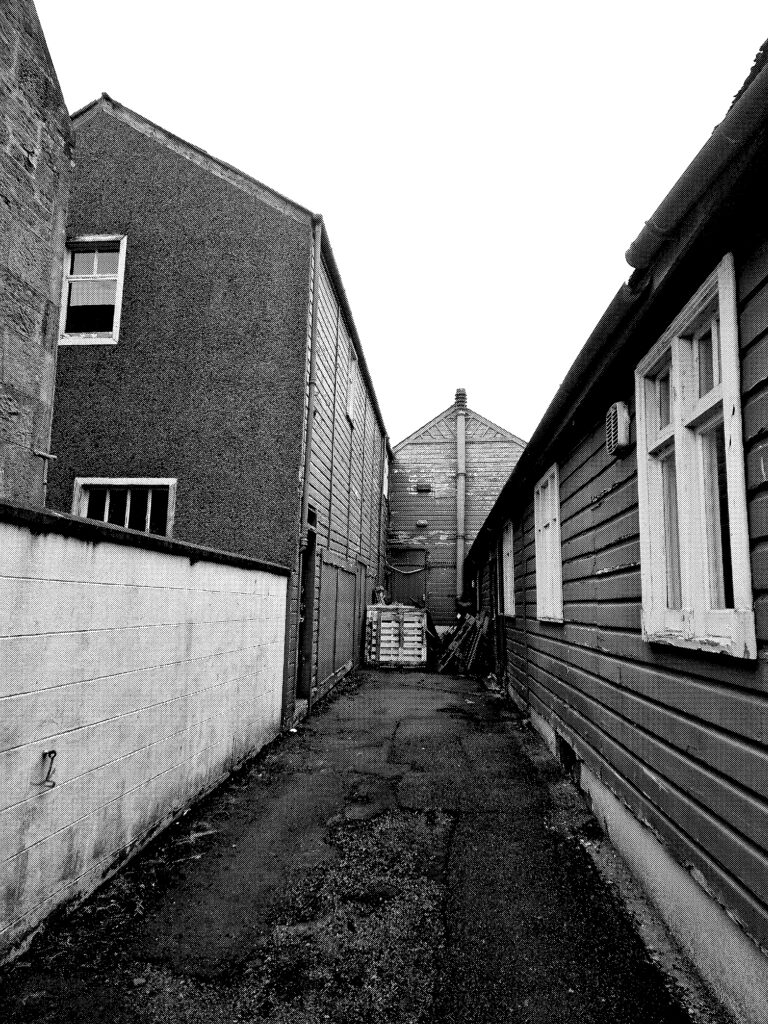
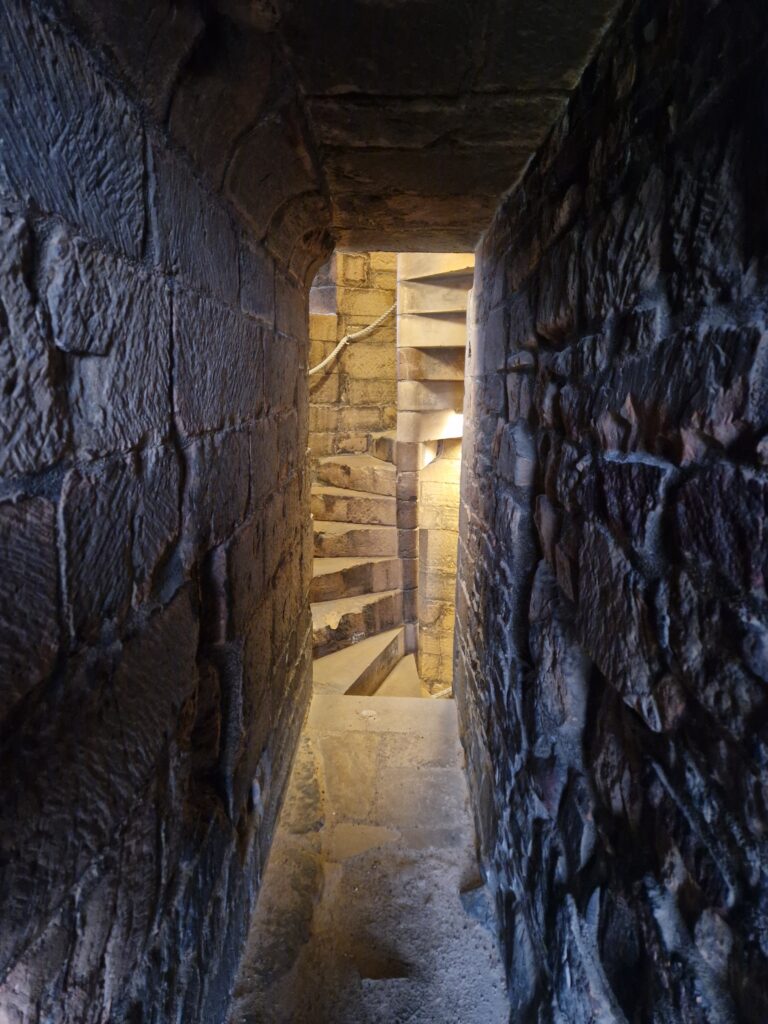
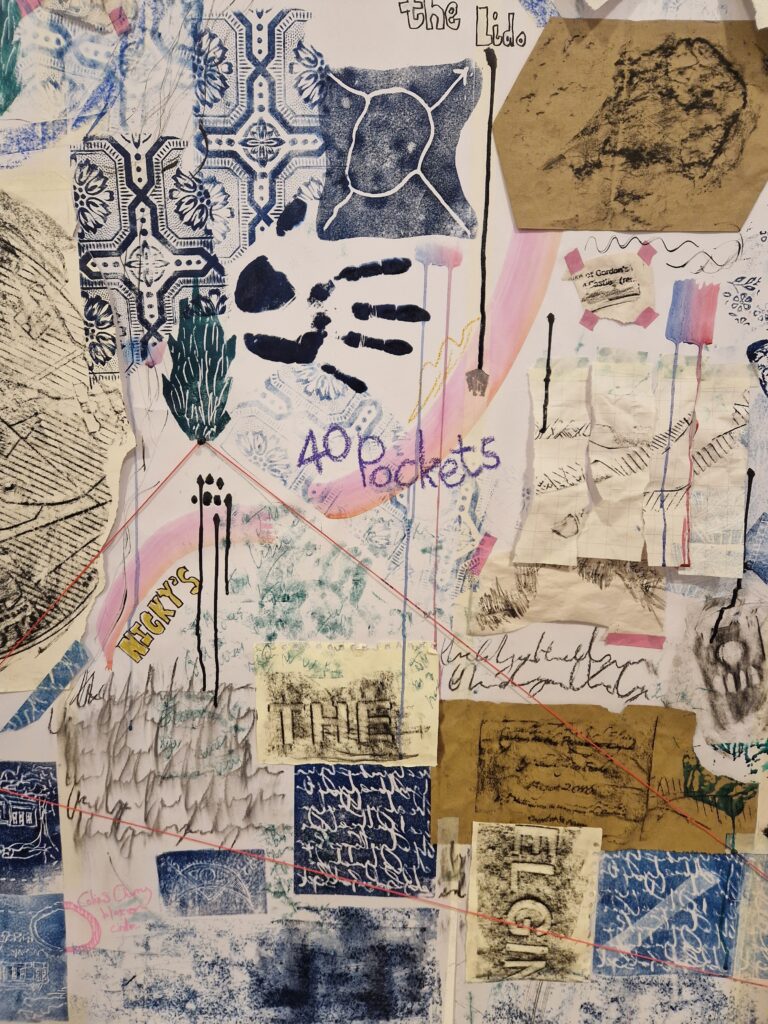
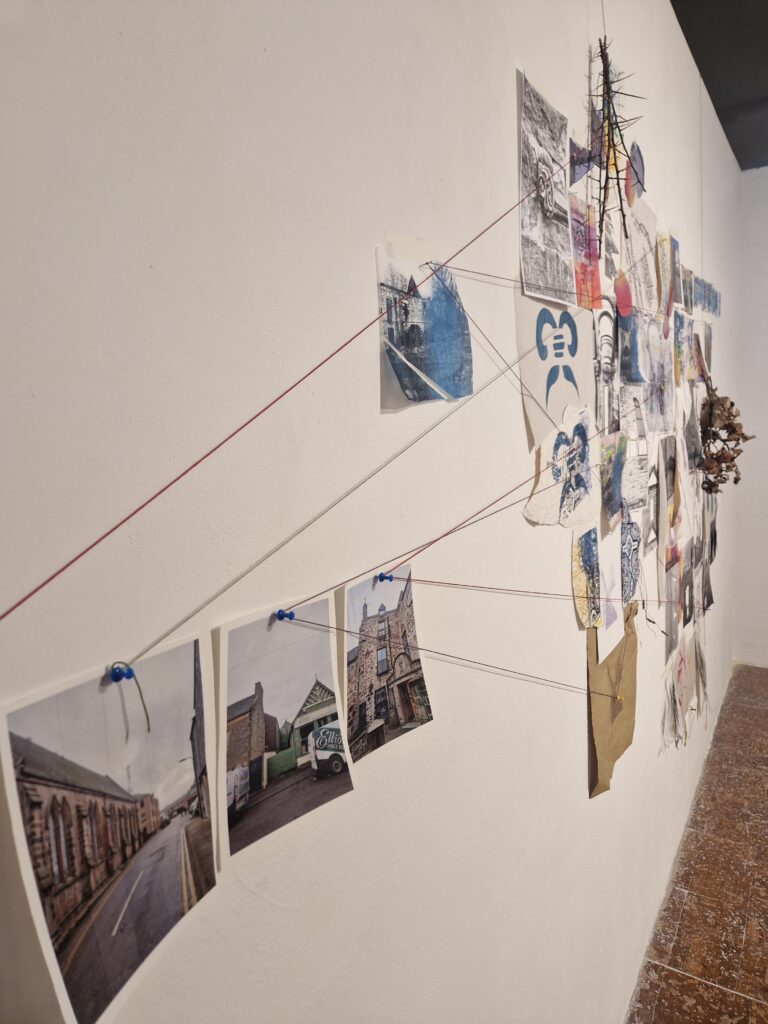
I proposed to start at the archives and then through an exploration of mapping, local heritage and archaeology to research my own family history and link it to my own experience of Elgin and the area. Through spending time in the archives, then walking/mapping the area and tracking down their graves in the cemetery as well as places mentioned in connection to where they may have lived and died, I photographed, sketched and documented my journey. While undertaking this research I tried to follow the concept of ‘Bioregional Mapping’, which is a participatory process used to create maps that combine ecological and physical information with social and cultural information within a given place, (stories and buildings found in/from the landscape). I did a lot of this by collecting plants and detritus found at significant places in my explorations.
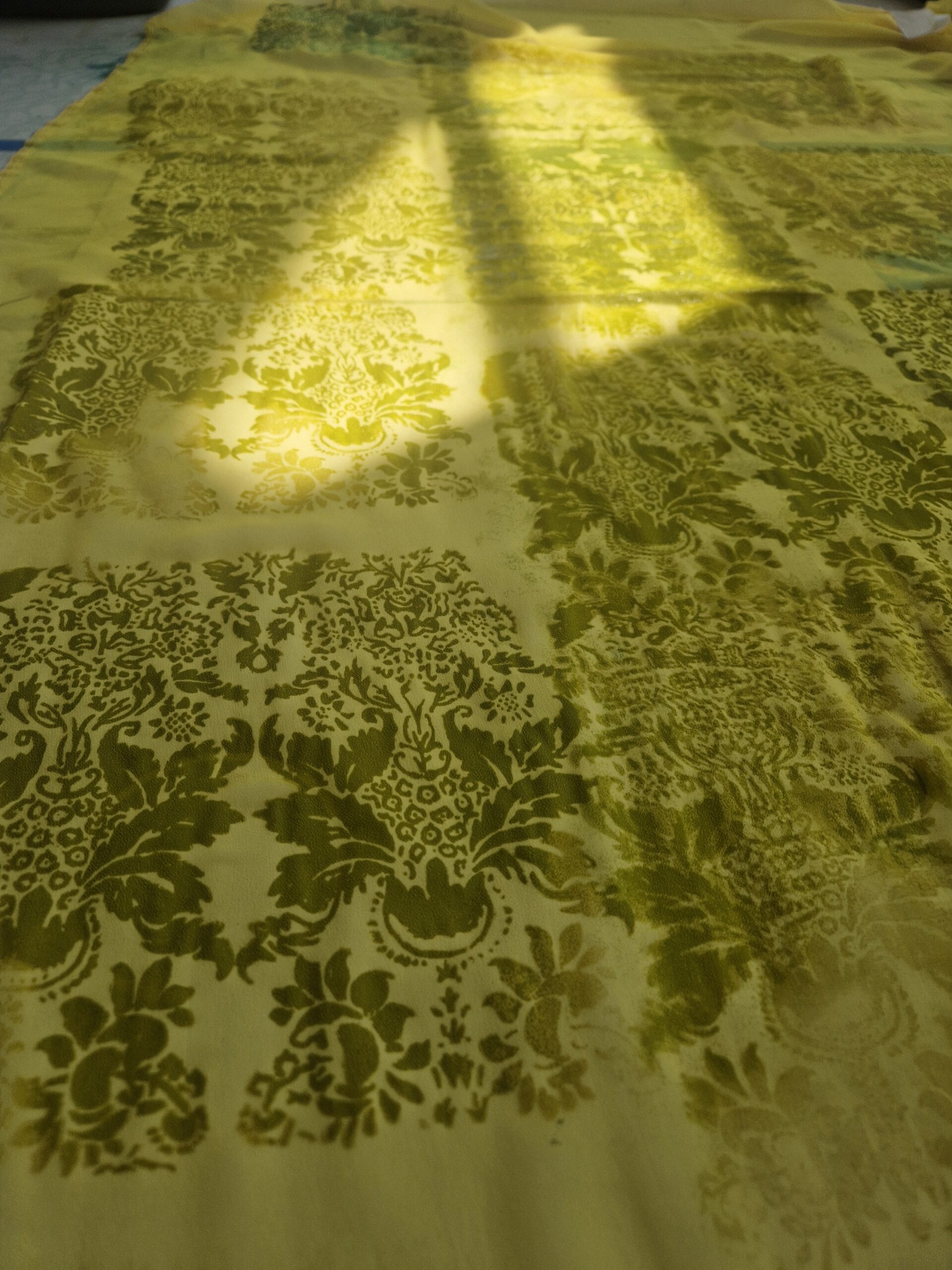
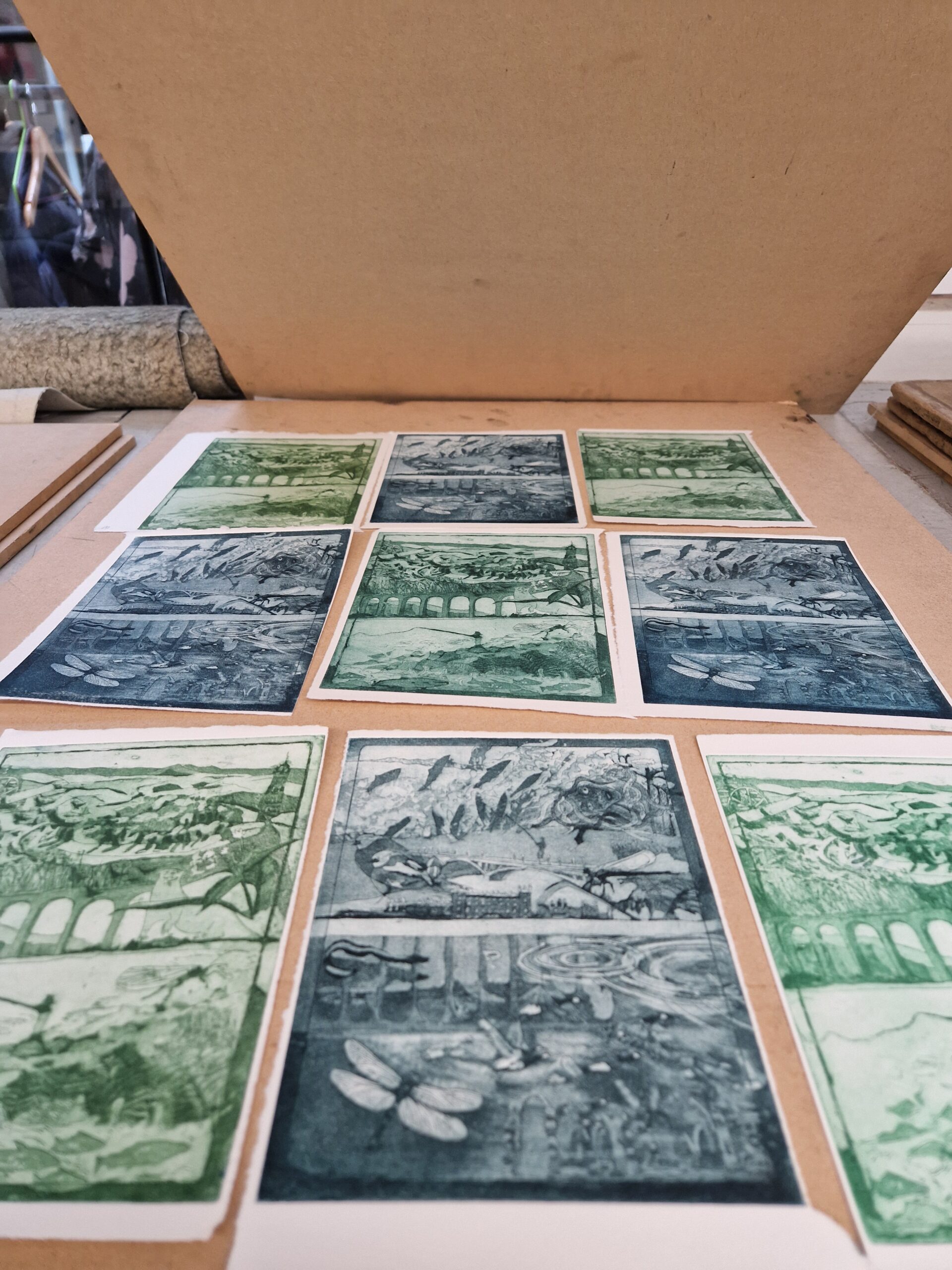
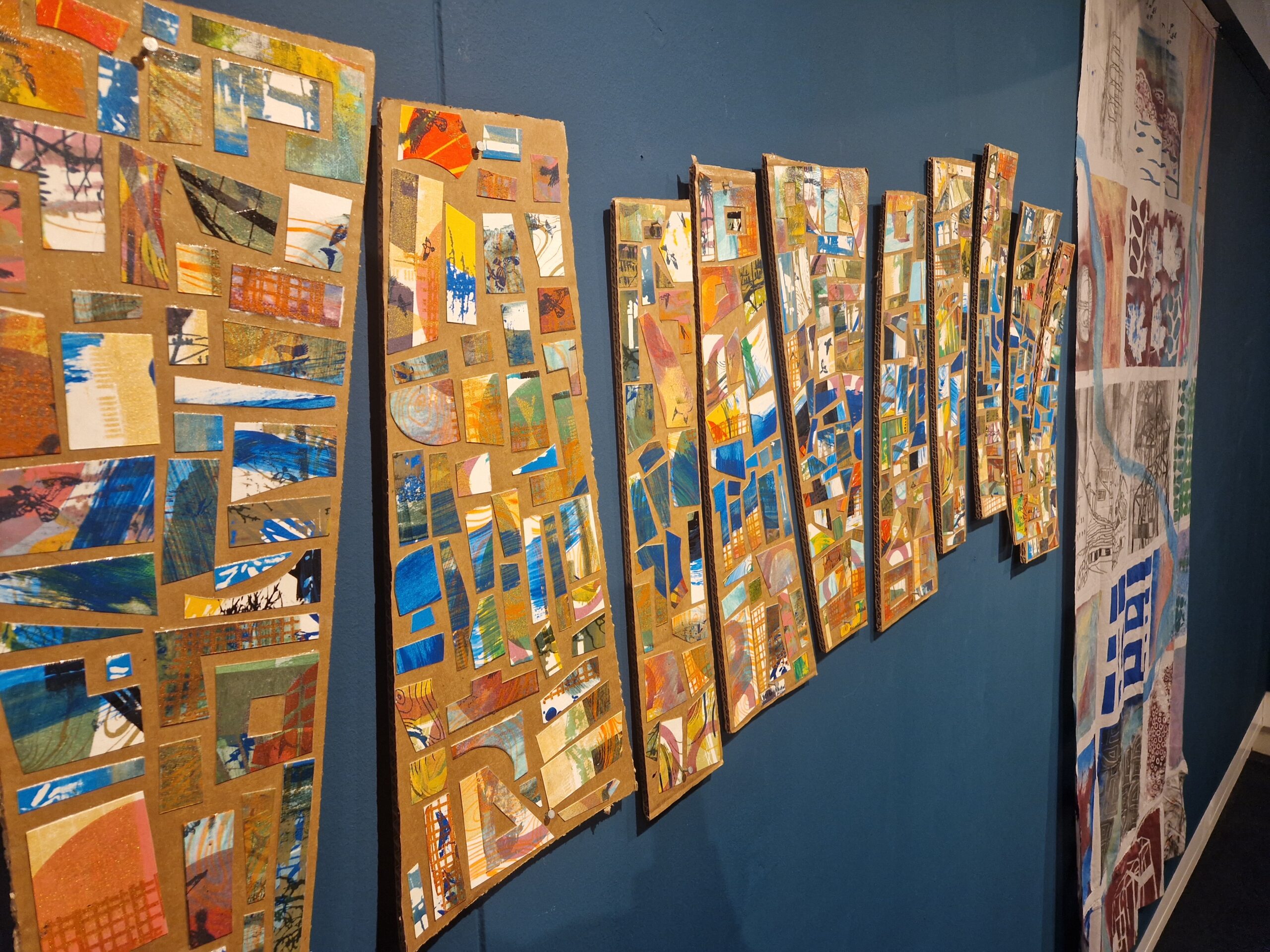
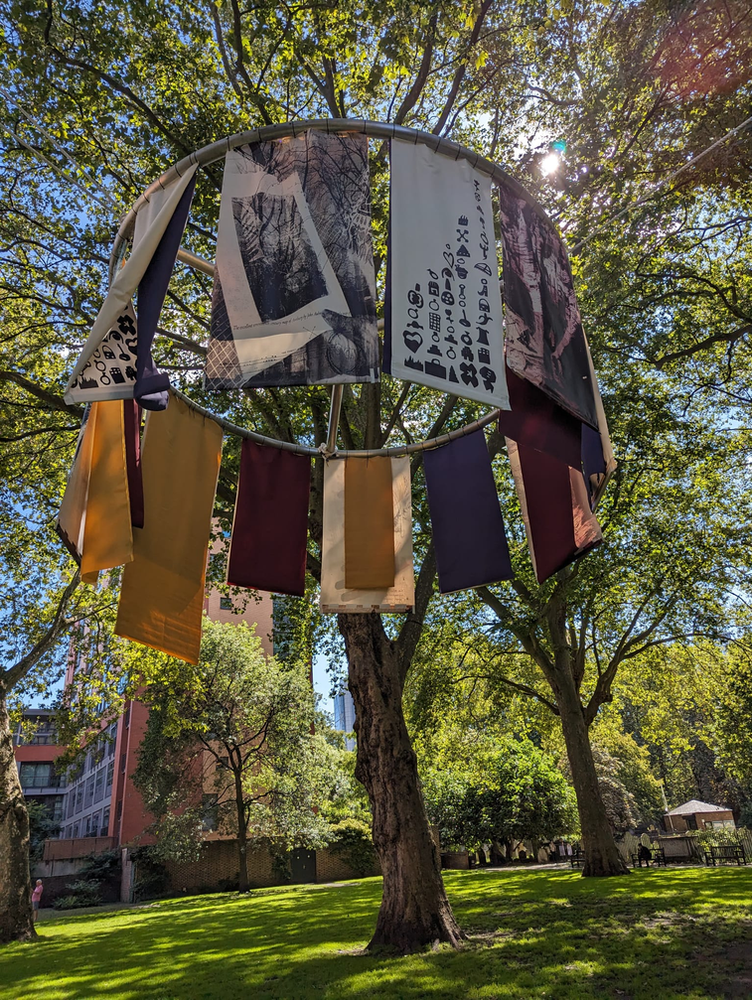
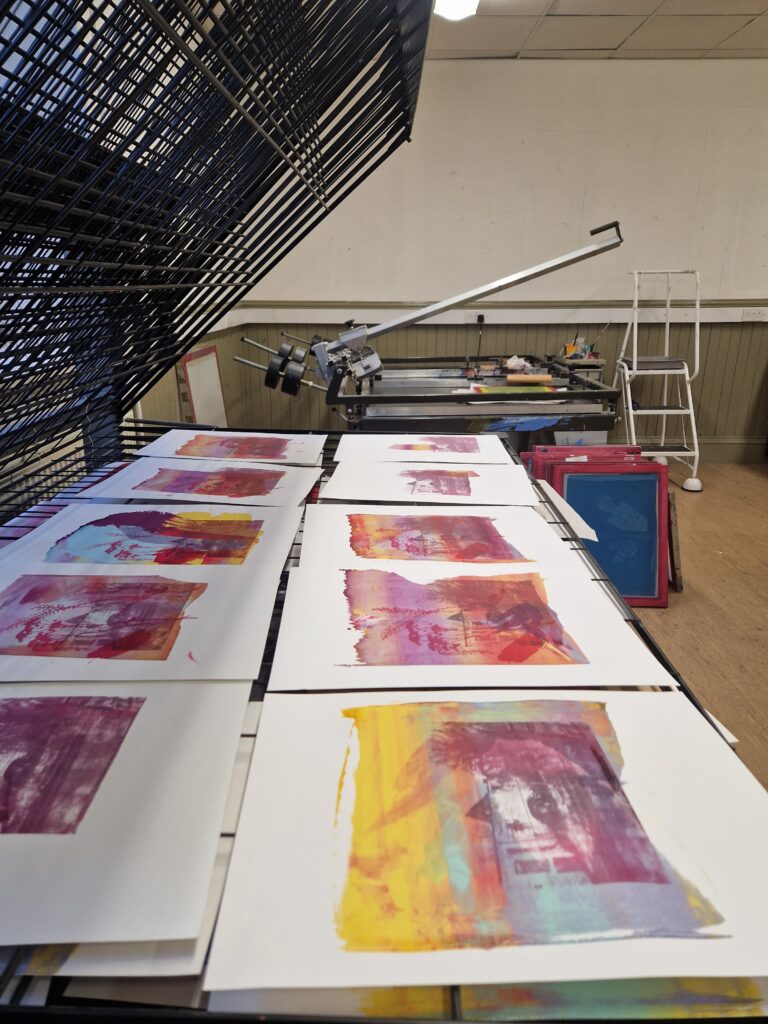
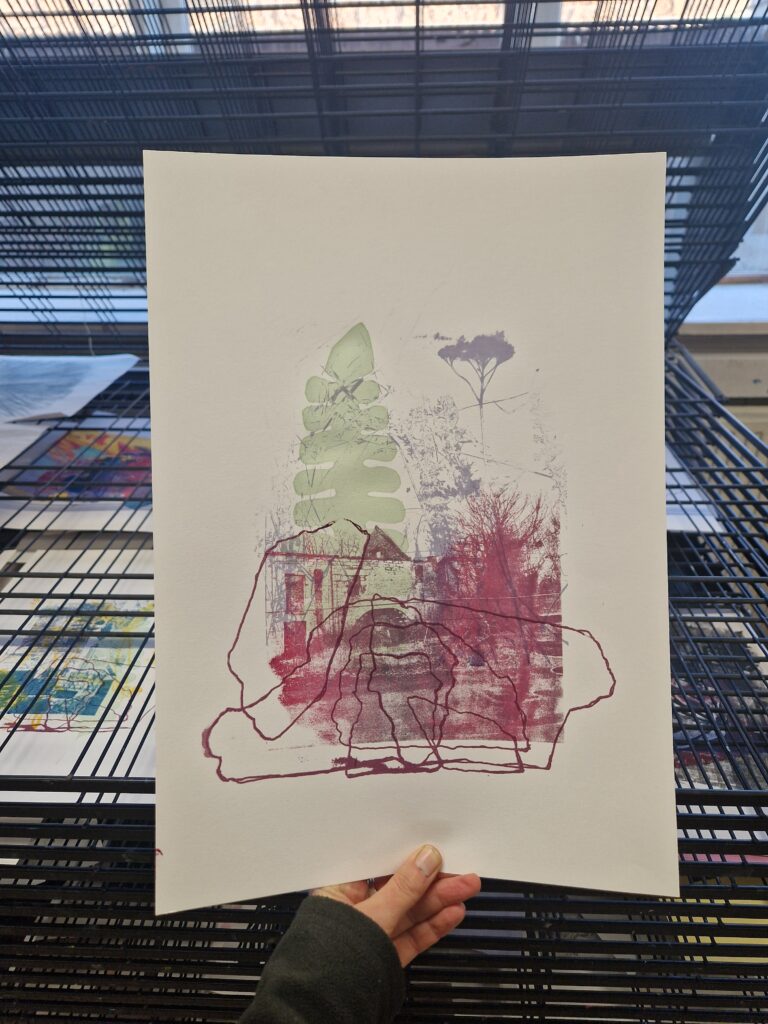
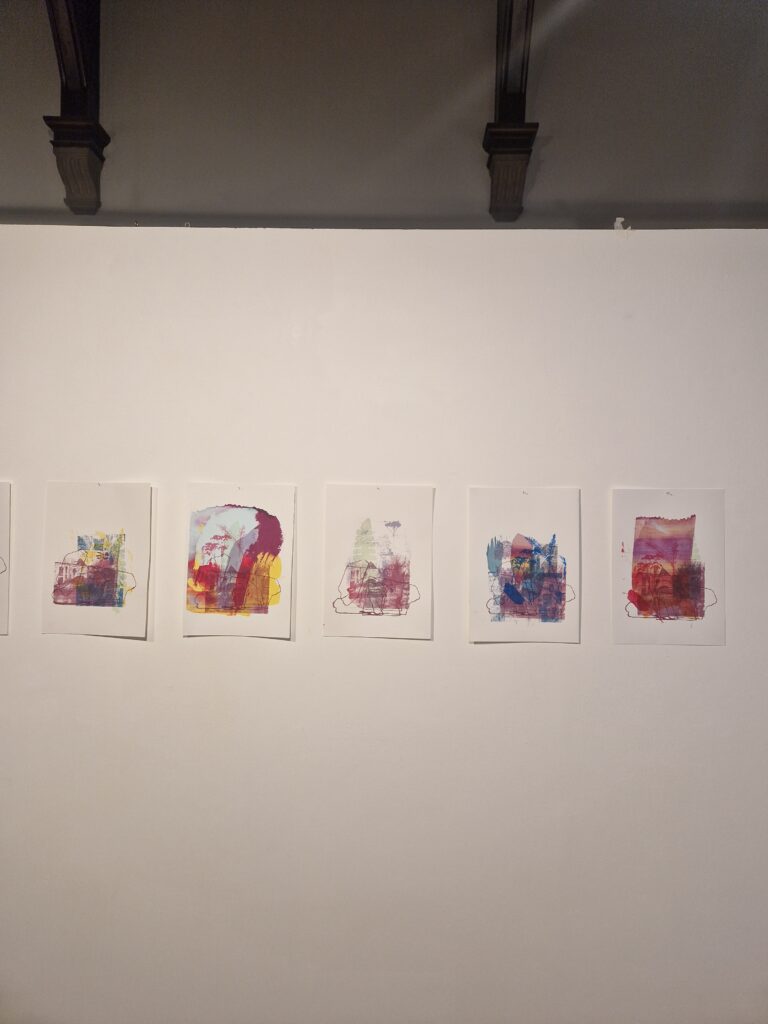
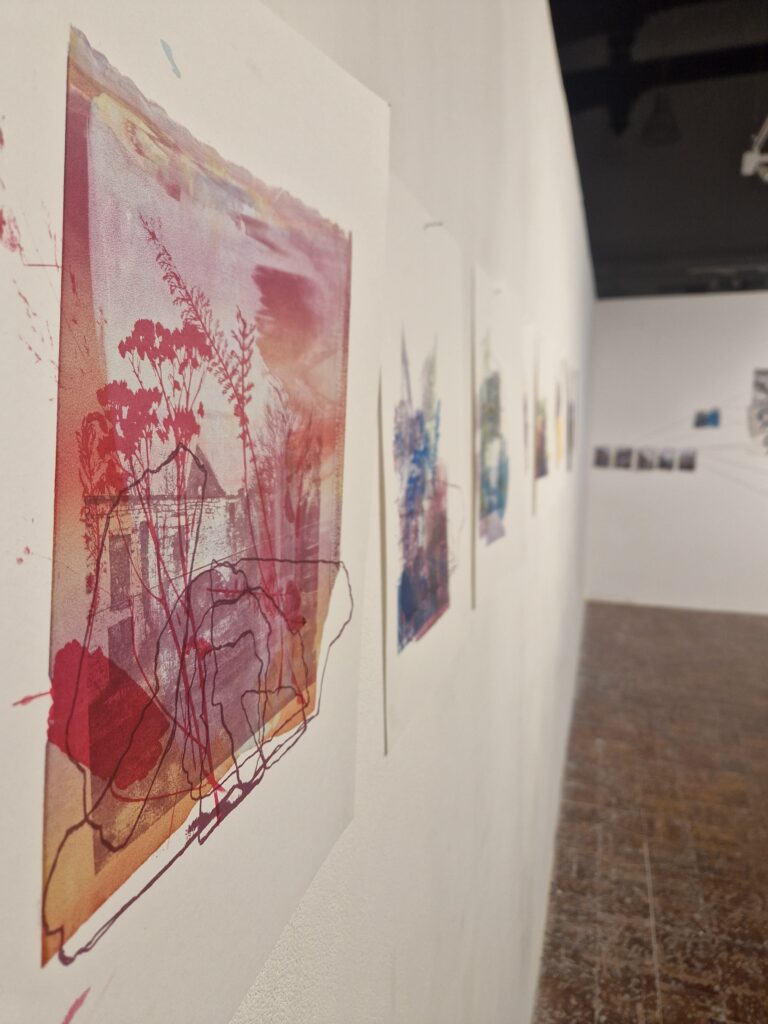
I was given a studio space with other Moray School of art students and alumni and was welcomed into the studio with such warmth and support which made me feel part of a community there. My research became an inspiration for creating new work in the print studio with the hope of expanding it into more installation-based work. I was lucky to have access to a beautiful little print studio where I took over the screenprint bed and began layering images to document my journeys visually.
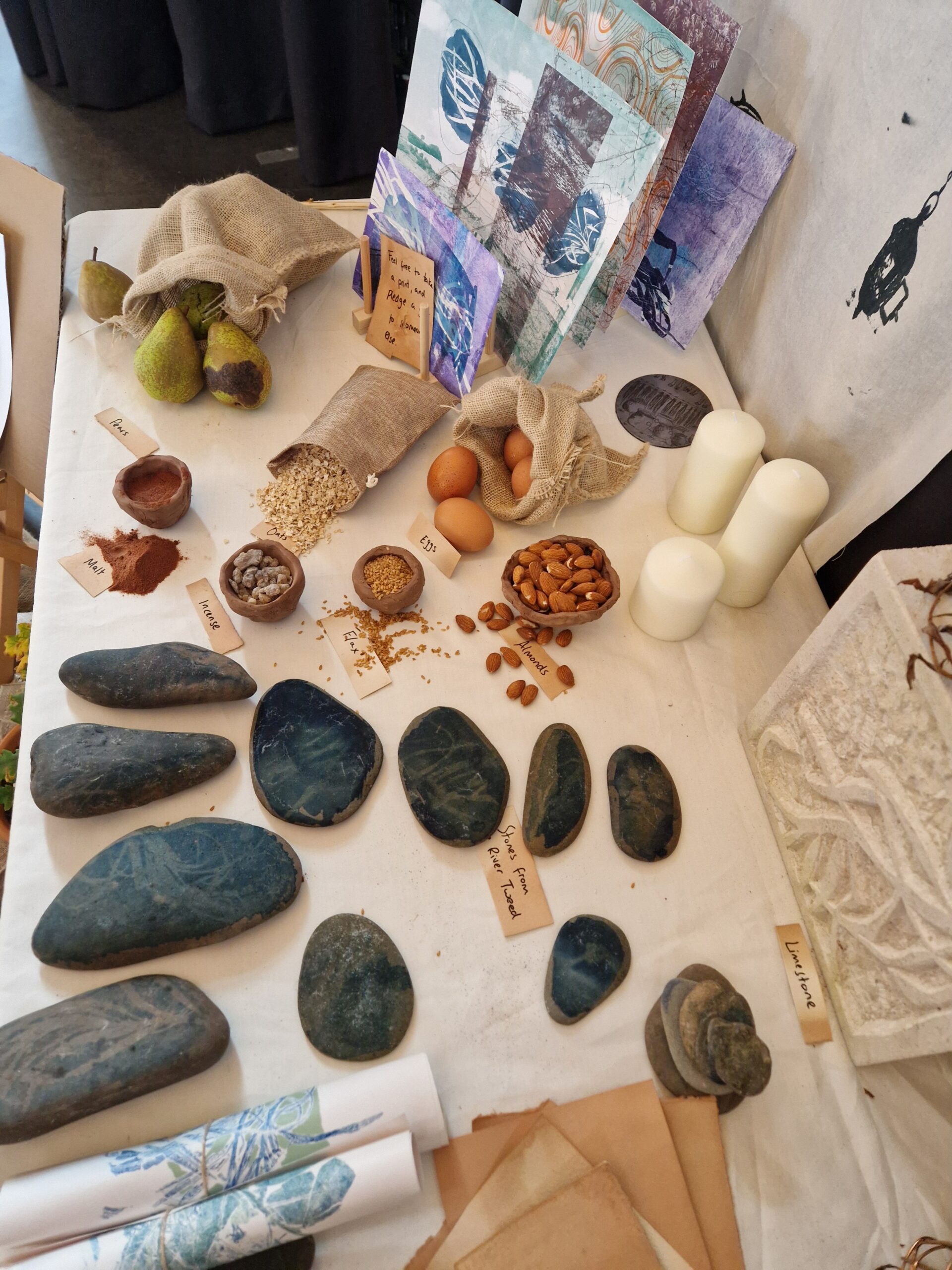
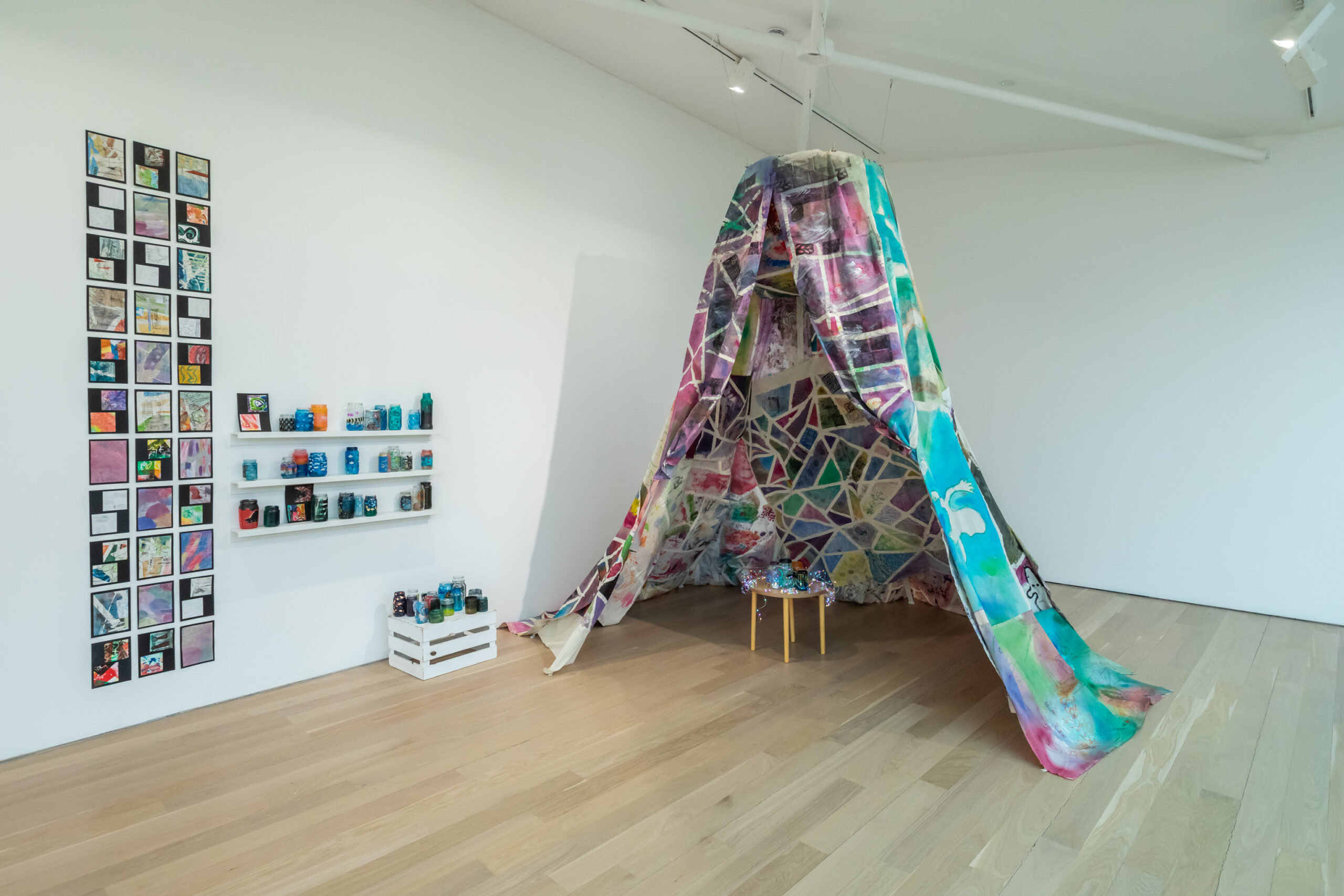
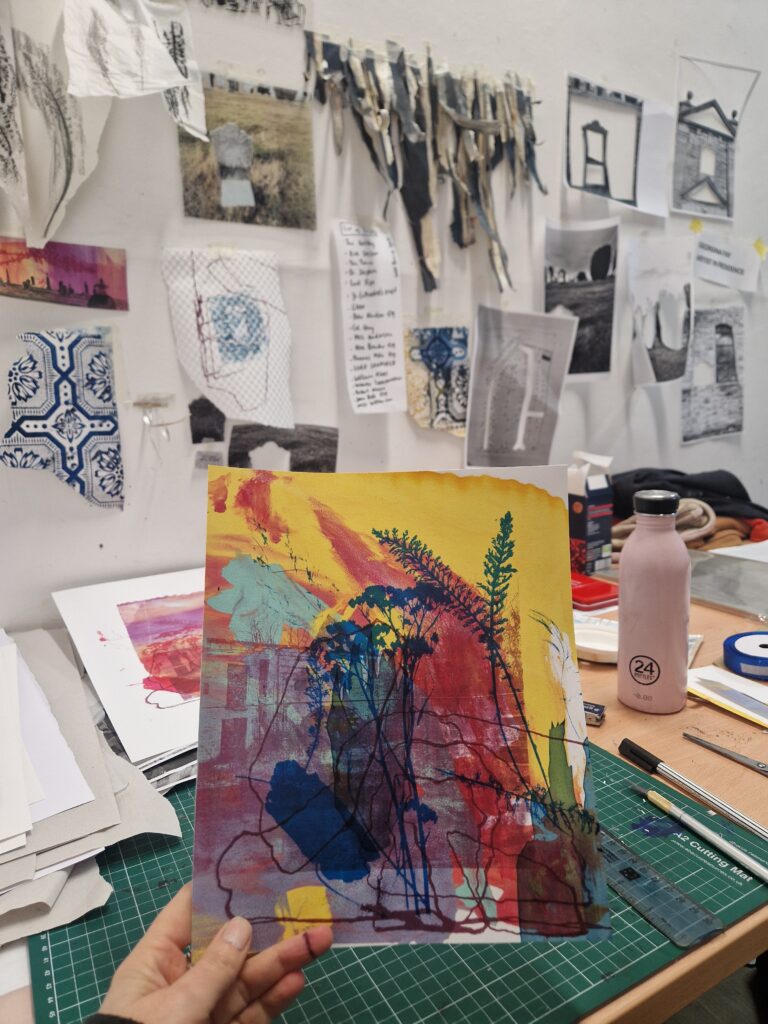
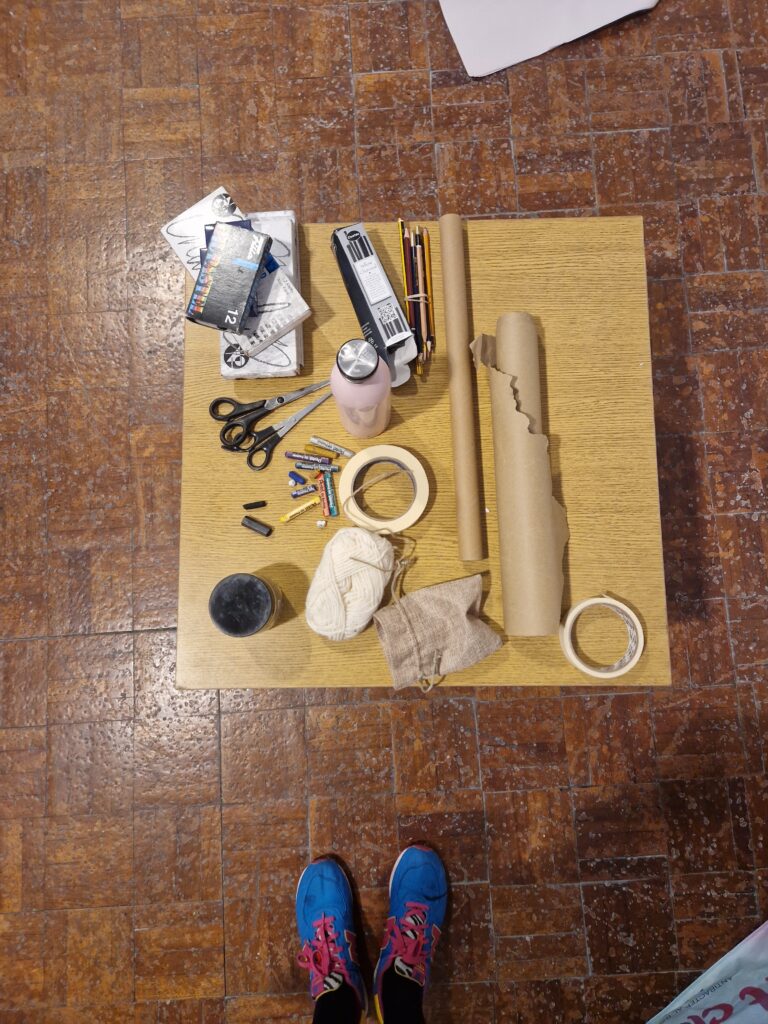
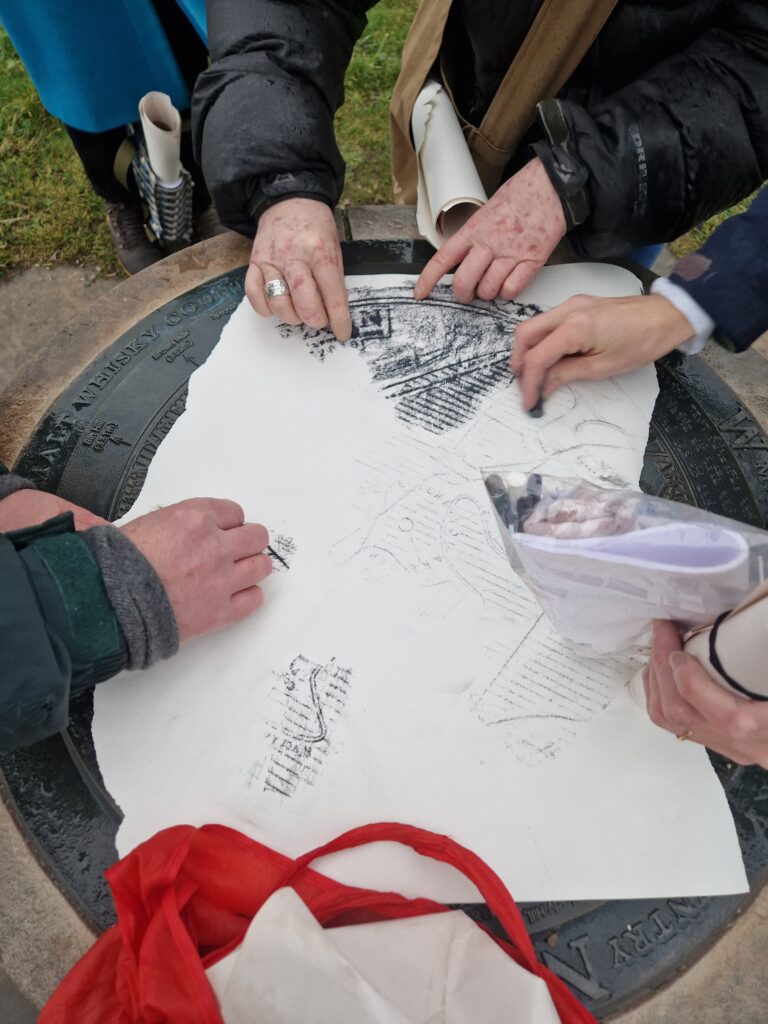
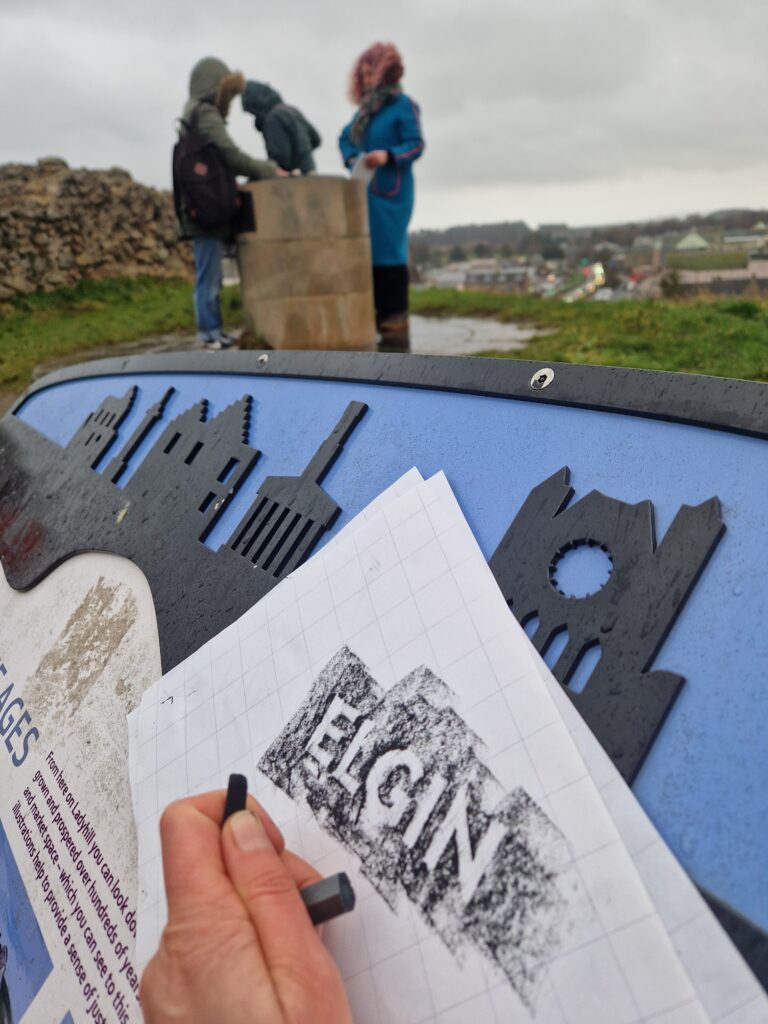
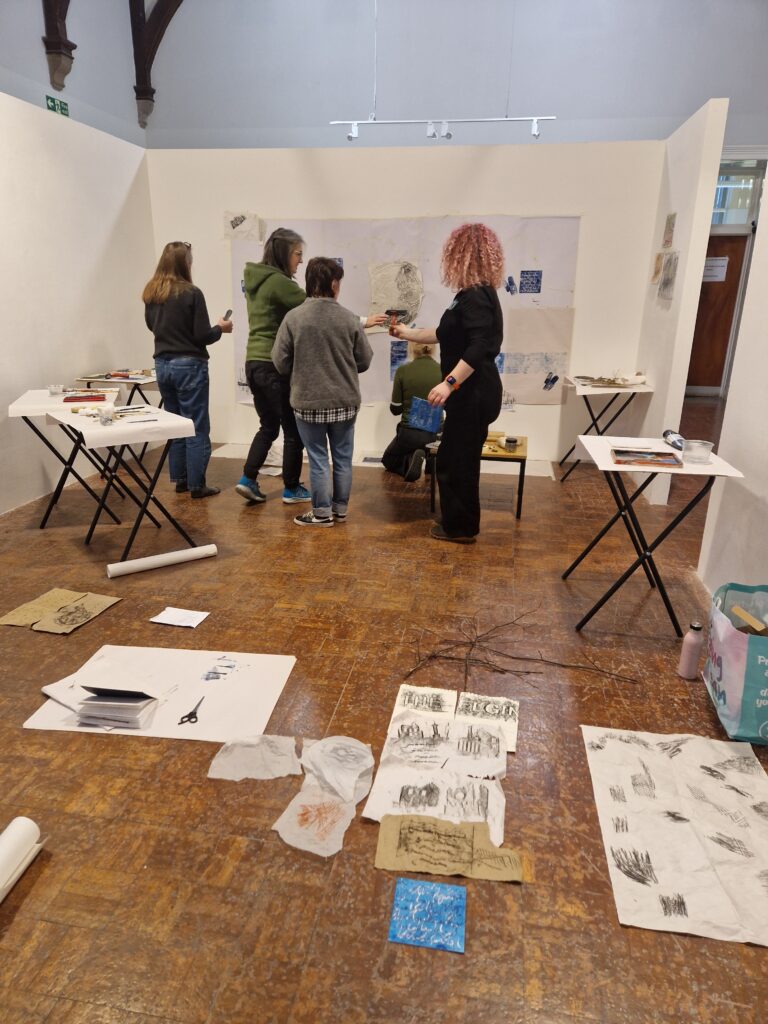
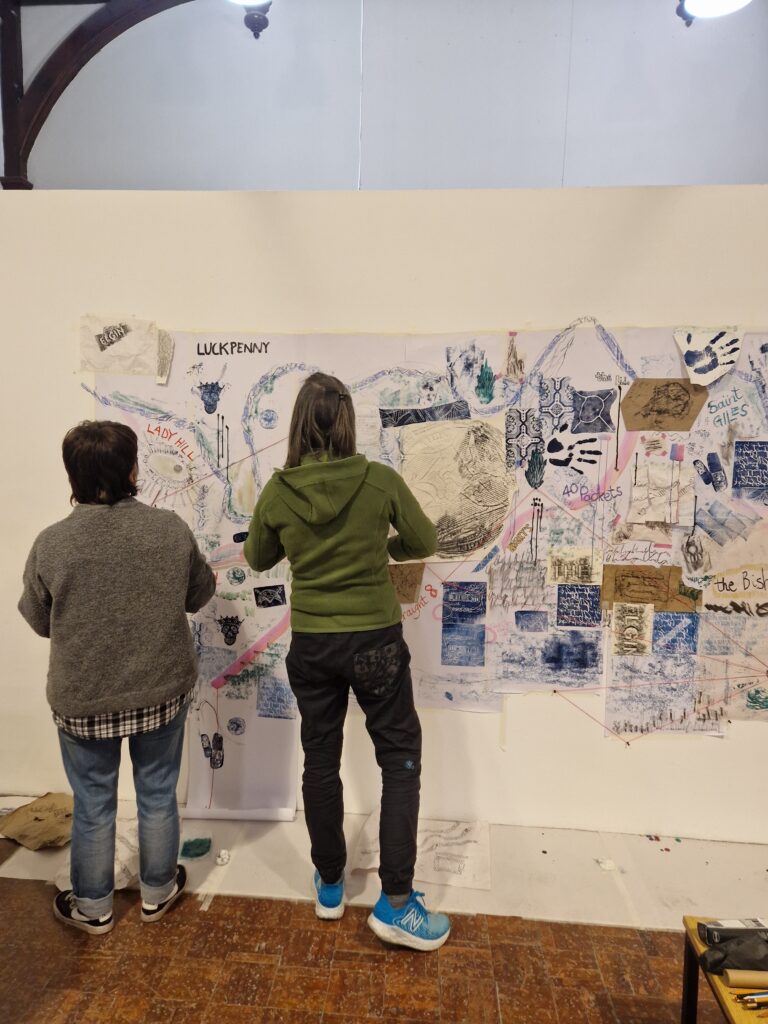
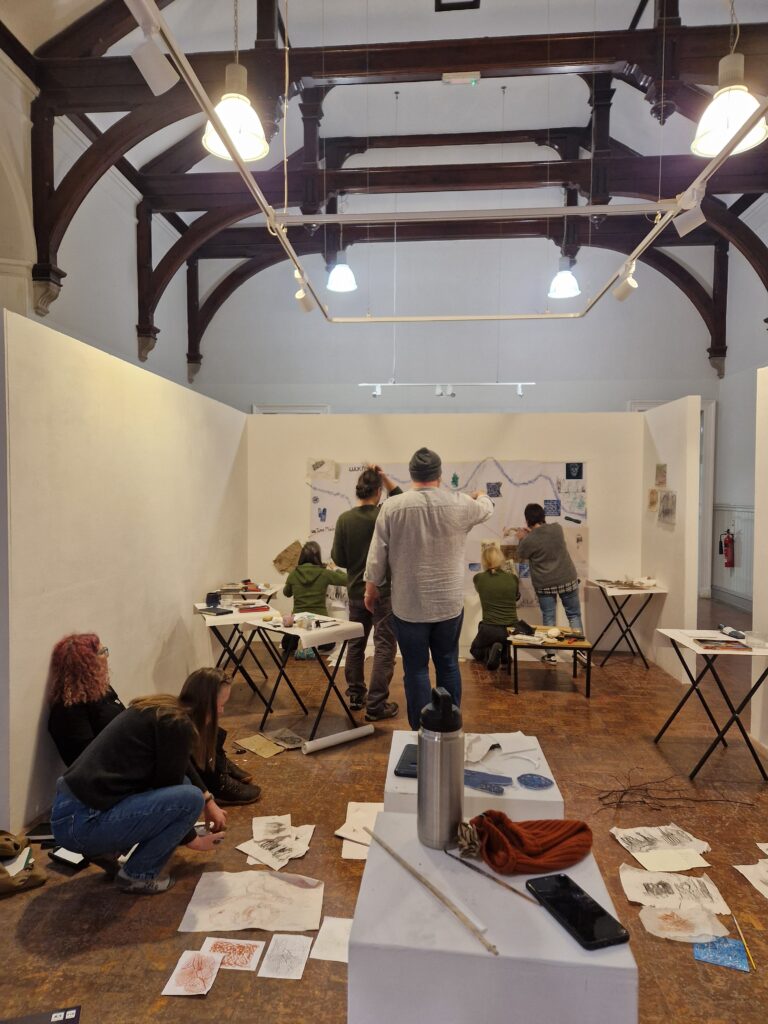
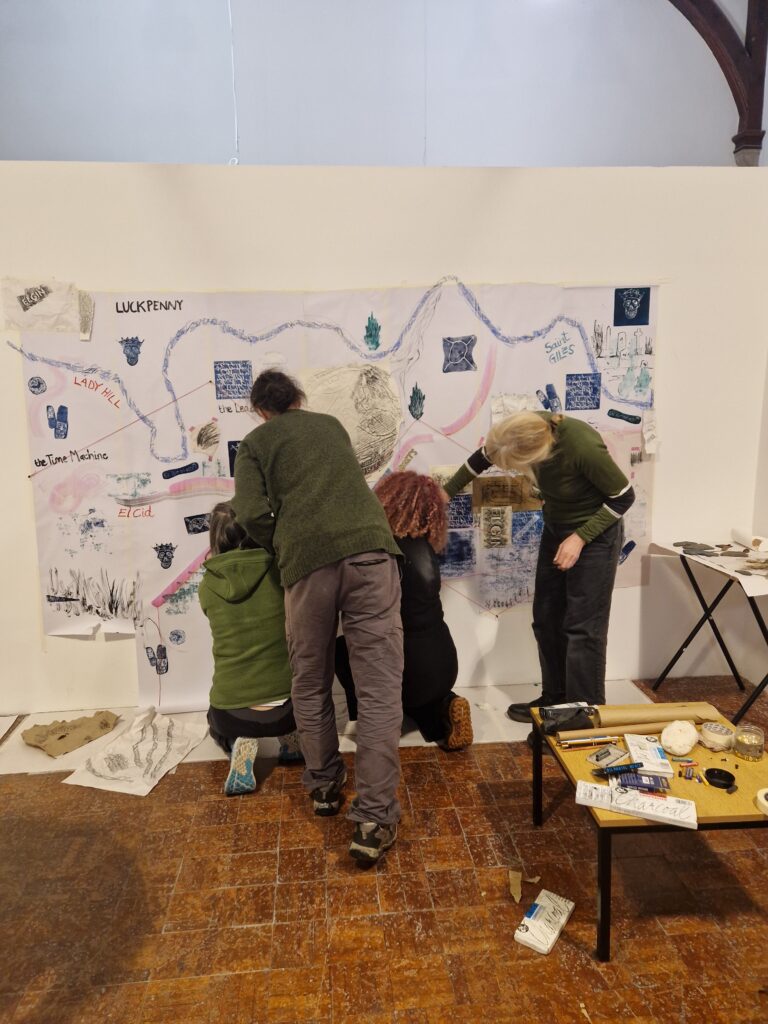
I gave a talk and delivered a participatory workshop based on my own initial explorations of Elgin. The students were so accepting and engaged, we walked up Lady Hill and took rubbings and collected objects as we went, returning to the studio we created a collaborative map based on their own experiences of Elgin and coming together as an artistic community. The resulting conversations and sharing memories of places and people as part of this map were really inspiring and I began to see how a project like this and approach to collaborative mapmaking could become part of future participatory work. The final piece was created in the gallery space of Moray School of Art and became the central part of my own exhibition which I installed at the end of my residency. In fact, I photographed sections of the map and transferred them onto screen and they became a part of some of my own screenprints.
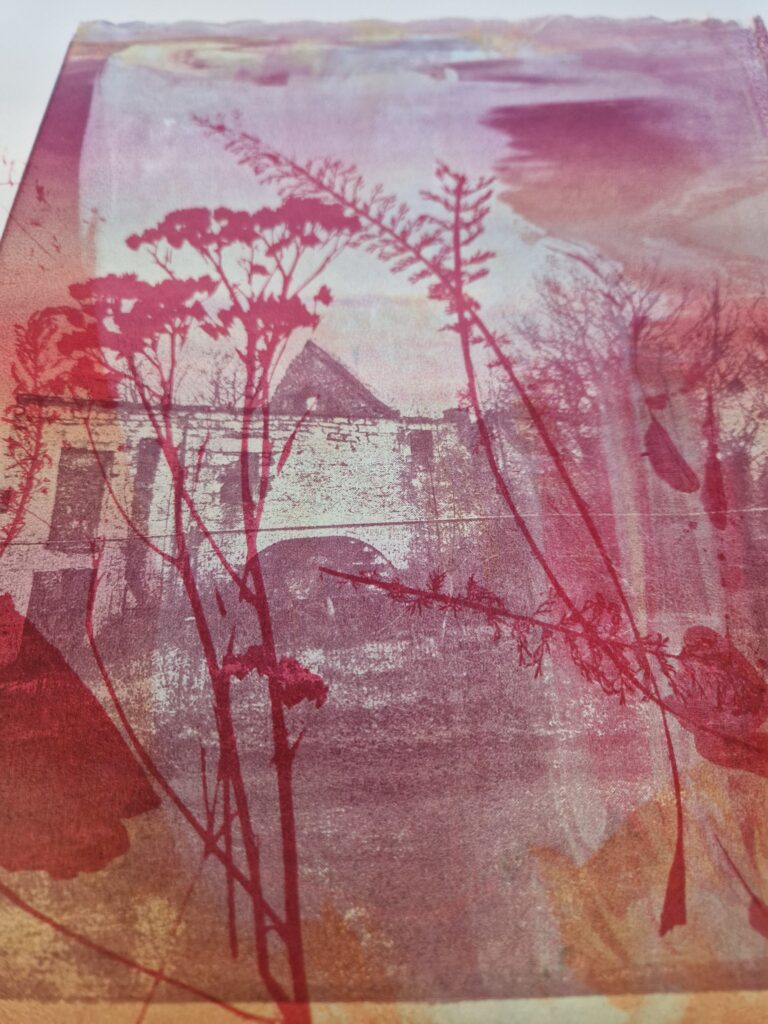
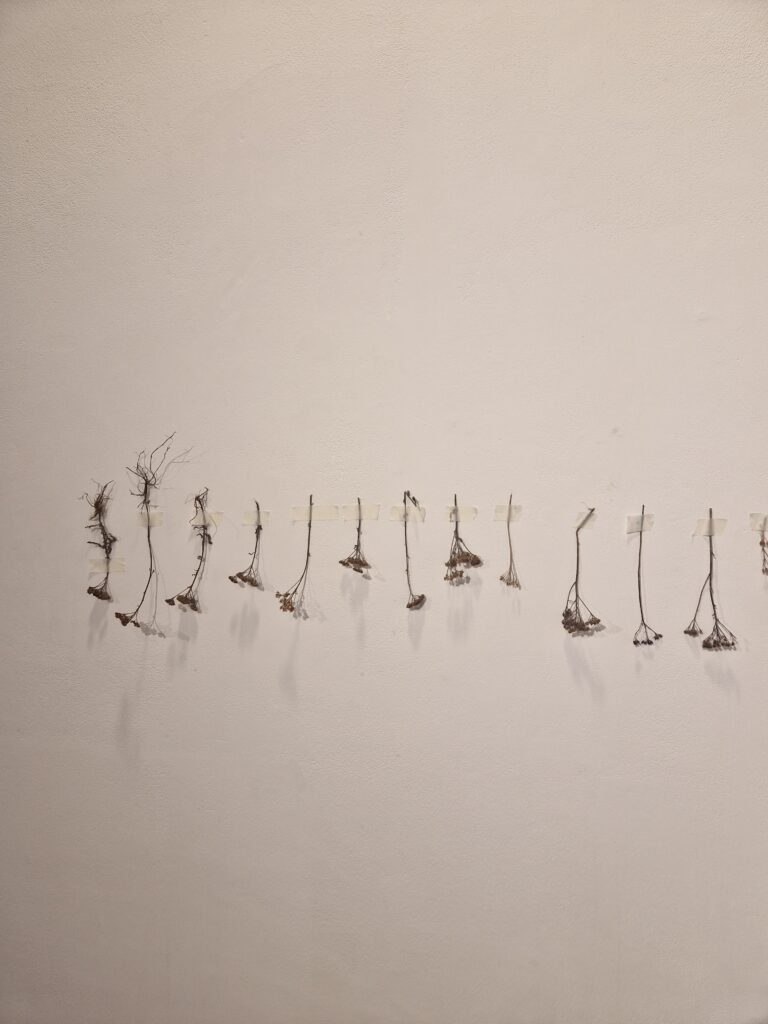
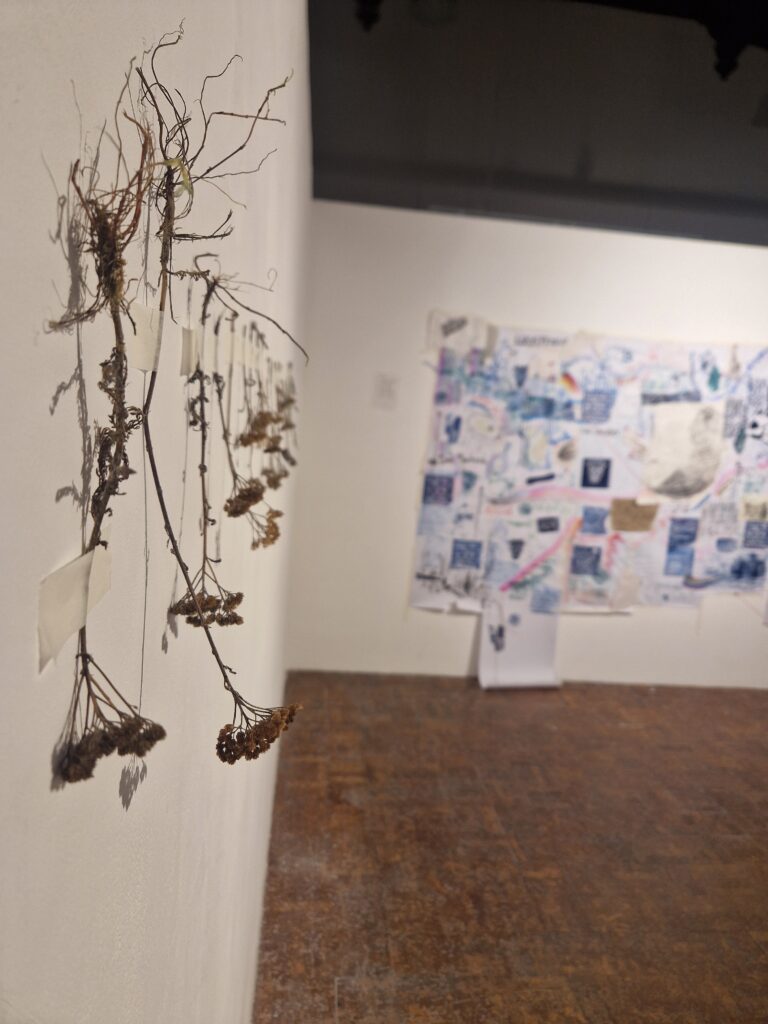
As always, the time flew by and the two weeks were over almost as fast as they had begun. In this short time, I was made to feel a part of this really special place and it gave me the space and time to start thinking about how my work might expand out of printmaking. My research kept coming back to a connection with plants and trees. The street where my family lived; Hawthorn Road, the Yarrow growing around the family grave, the ancient oak trees surrounding the town in Quarrelwood all became part of my own ‘bioregional map’. Plants and their meanings became an integral part of the work and featured in my prints and final installation, I was interested in my own relationship with these and their role in history and perhaps for my own ancestors. I had managed to trace them back to the early 1800s and realised that a lot of the trees and woodlands I had been wandering through would have been younger trees, maybe not grown at all, or perhaps there would have been more woodland that has now been cleared for roads and new homes.
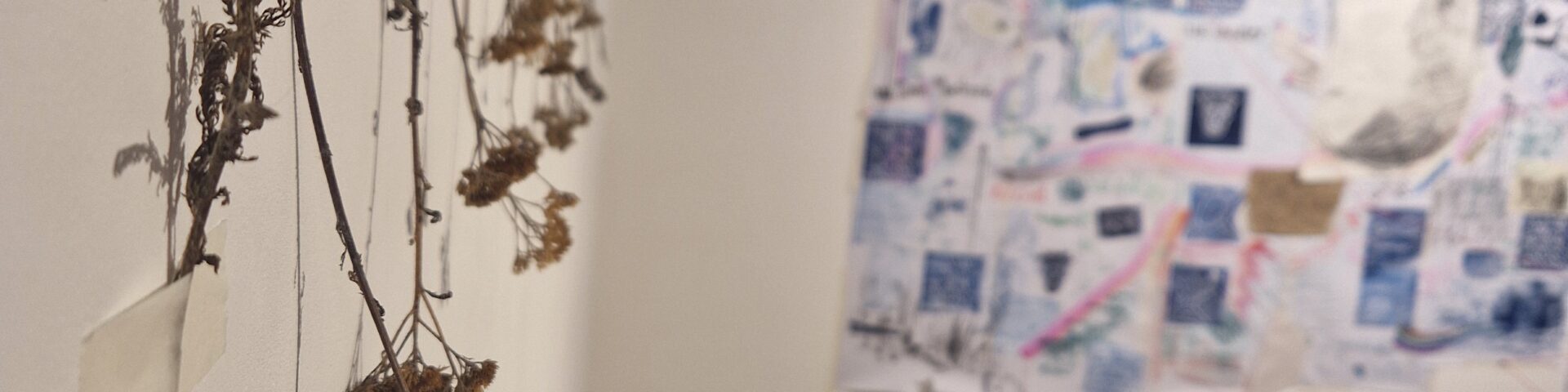
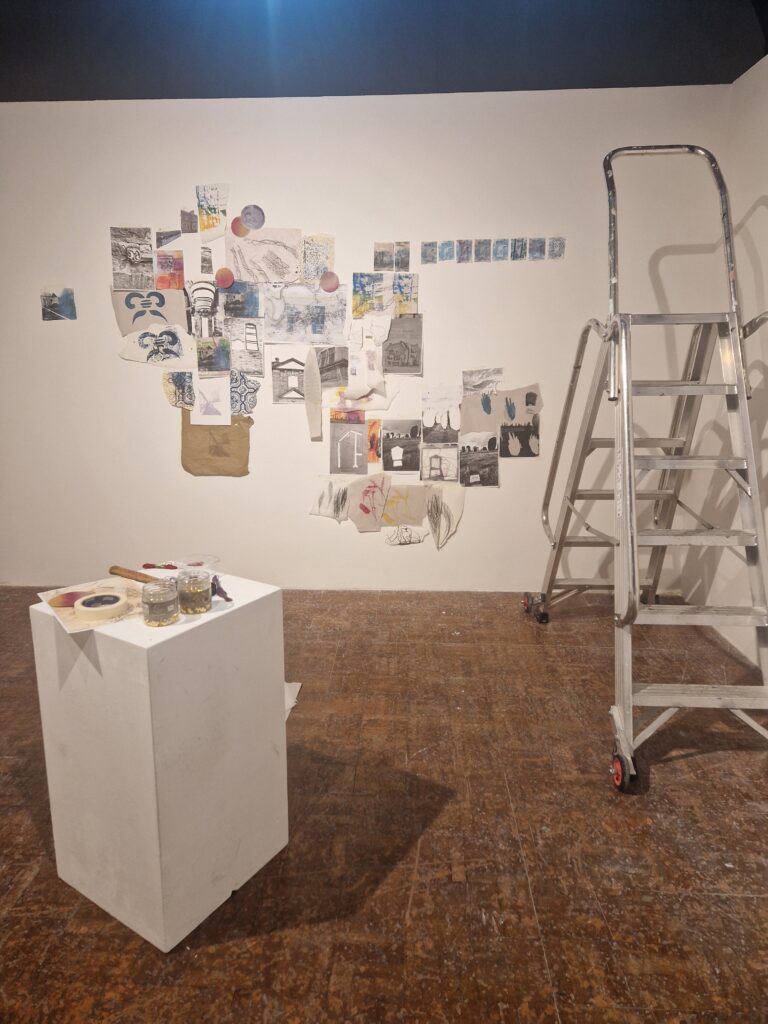
My final installation/exhibition consisted of a series of screenprints depicting my research in shapes and vibrant colour (a scary concept for me as an etcher who works mainly in monochrome), our participatory map, opposite which was my own map, sharing my journeys and research on the wall, almost referencing a crime scene investigation board. My favourite piece was a simple row of dried yarrow, taped to the wall in a row, hanging upside down, just like they did in the past above the door to ward away evil spirits.
The chance to have this residency time, to access such beautiful facilities and to dedicate time to researching and making with such a wonderful group of artists has not only developed my own practice significantly, it had given me the confidence to make new work and explore new ways of working and I hope to bring this to my future projects.
Special thanks to Society of Scottish Artists, Staff at Moray School of Art and all the students and participants in my workshop. I hope to be back!