Watery Commons: By Land and By Water
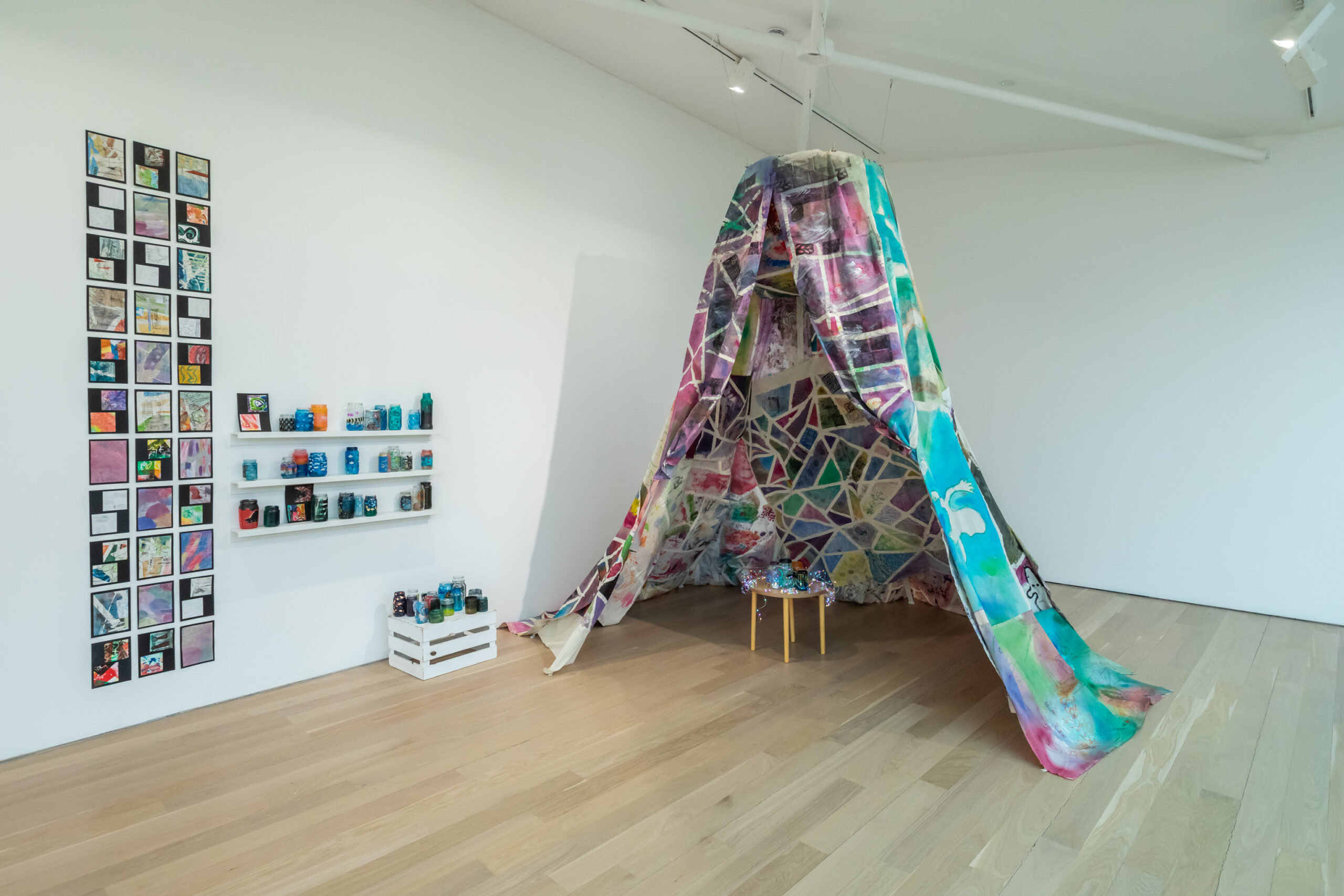
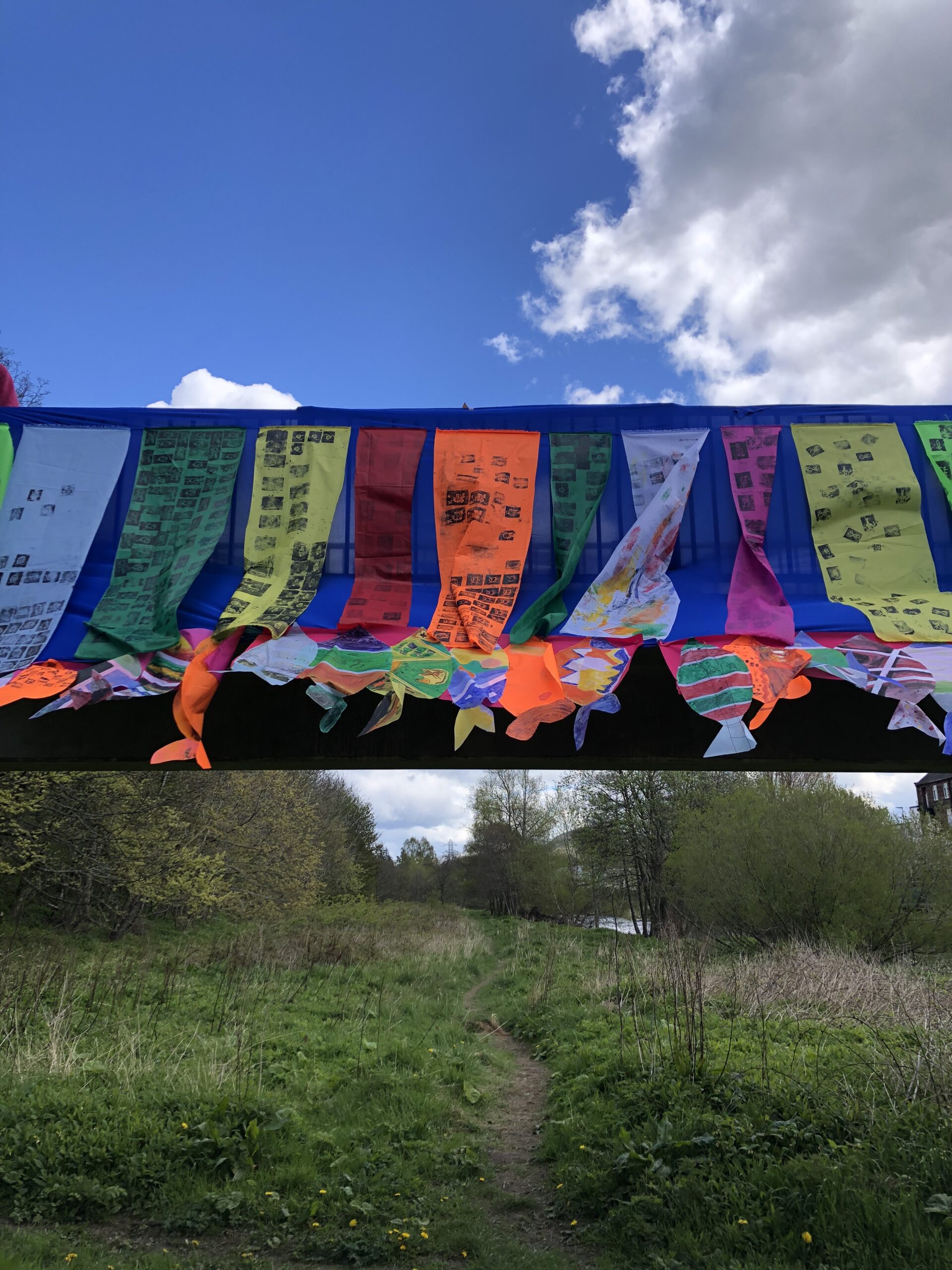
In Summer 2025 I was selected to be one of six artists along the River Tweed to take part in a 4 week residency programme. The opportunity gave me the chance to pursue a range of creative and research areas in response to the River Tweed and the Connecting Threads programming theme, Watery Commons.
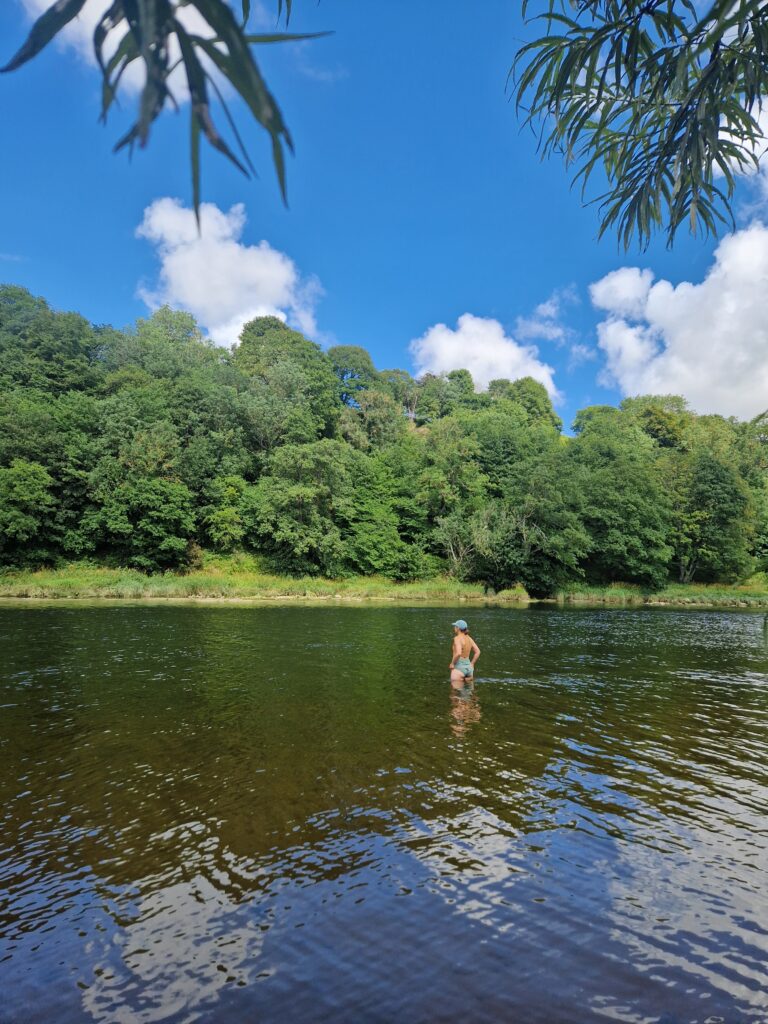
River crossings played a significant role in shaping social history, influencing migration patterns, trade routes and even political boundaries. From ancient Roman ferries to the modern underground tunnels, crossing rivers has facilitated movement, connection, and interaction between communities. However, I was not interested in the big bridges, or the history of Kings, I wanted to find out more about the earliest river crossings which were probably fords/shallow places where people, animals and vehicles could cross, and pay tribute to the ordinary ‘common’ human and their journey across the river.
To me, the theme of ‘Watery Commons’ explores ‘the commons’ as an area of land characterised by shared use that challenged feudal and capitalist models of property ownership. When I researched ownership of the River, I discovered that in Scotland, the ownership of riverbeds and banks is generally based on the concept that landowners adjacent to a river or stream own the riverbed and bank up to the centre of the watercourse. Beyond that, the Crown typically owned tidal riverbeds. As an artist who believes in collective land ownership, one of the many reasons I moved to Scotland was because of the ‘Right to Roam’ legislation giving public access to the outdoors, so I was surprised to learn how so much of the land and the river was privately owned. I am interested in the river crossings as slippery points in terms of land ownership, and where they connect human history to the landscape. This concept of land ownership and collective land links to my own interest in the concept of ‘Bioregional Mapping’ and potential new ways of forming relationships with place.
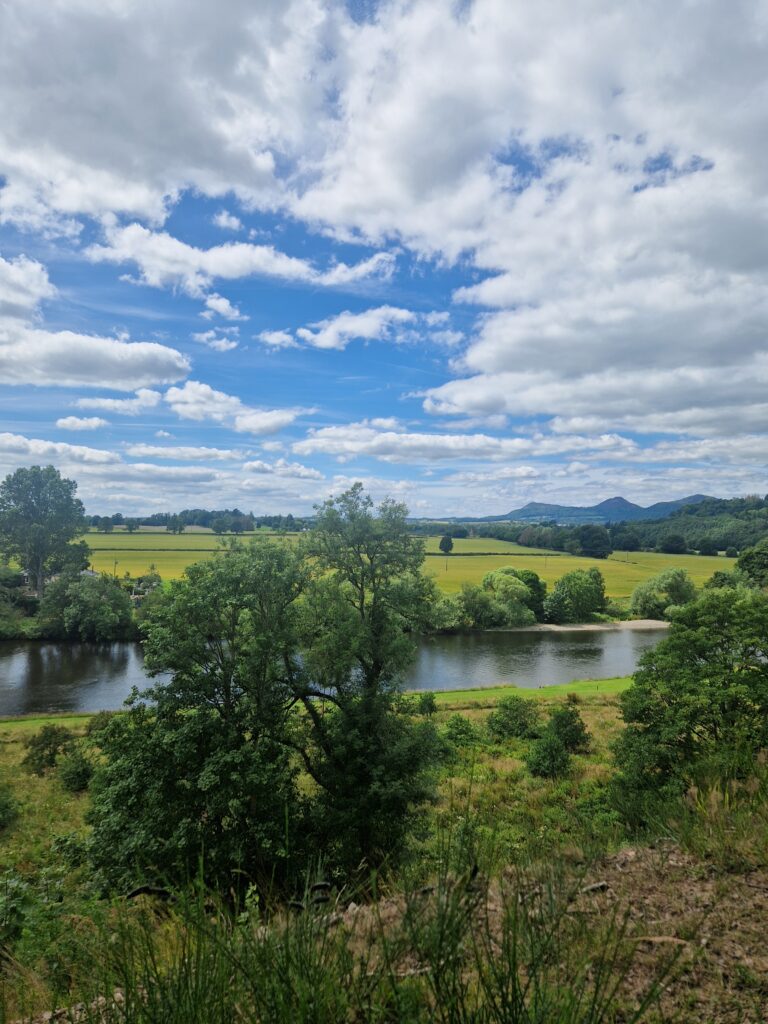
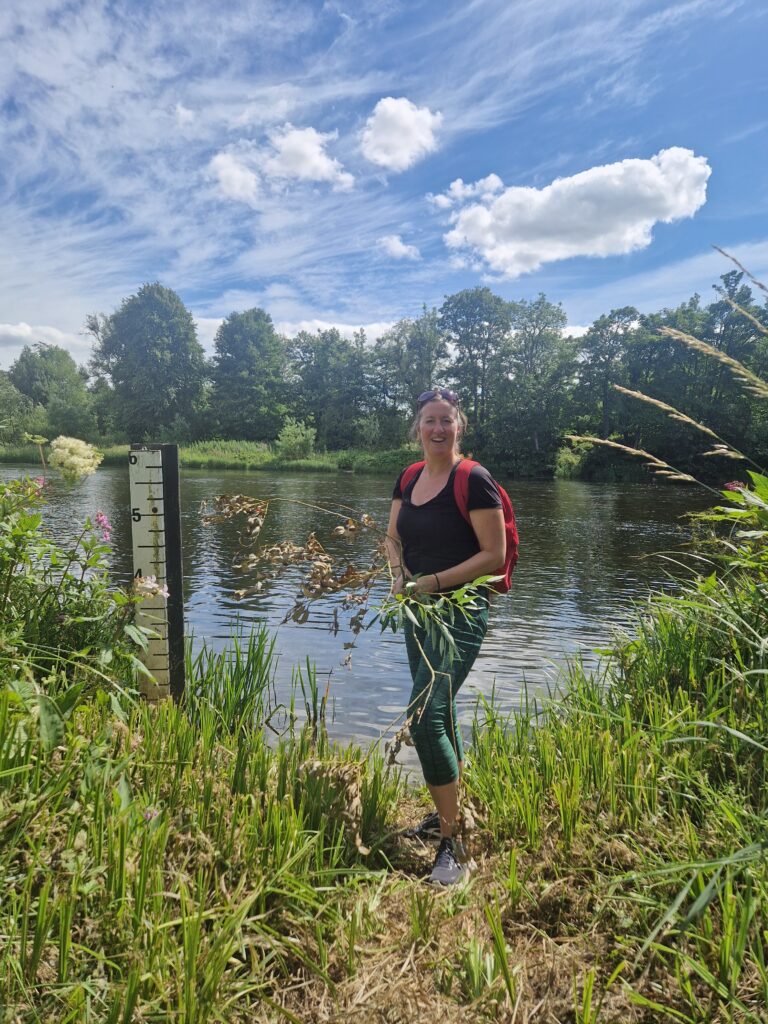
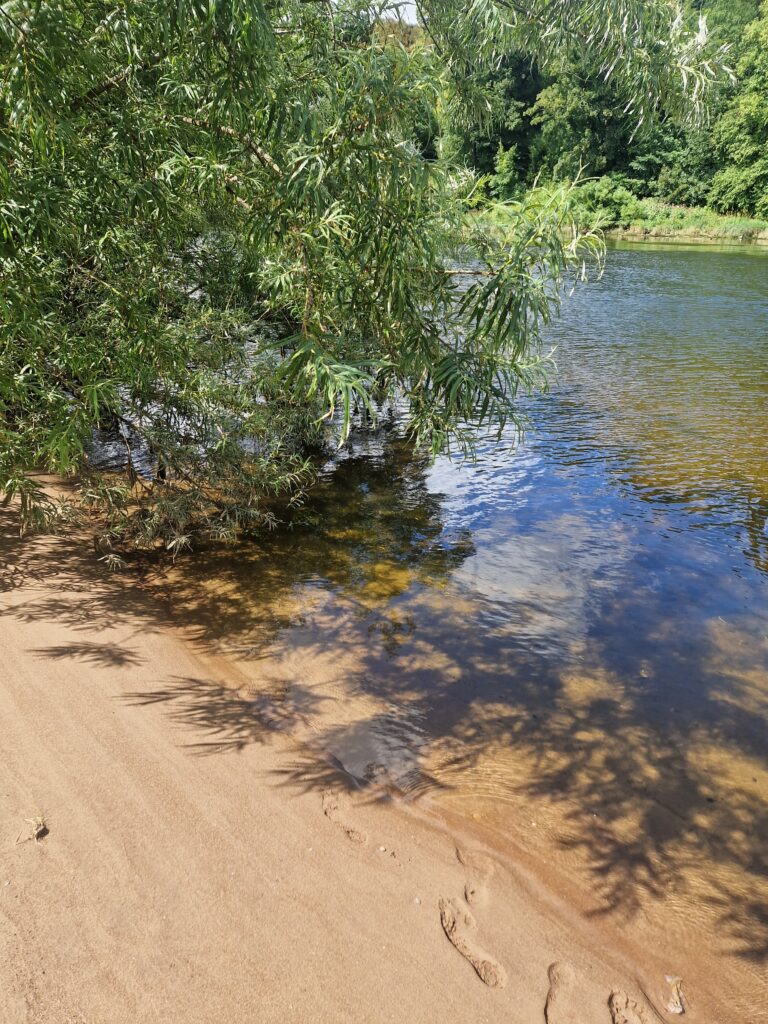
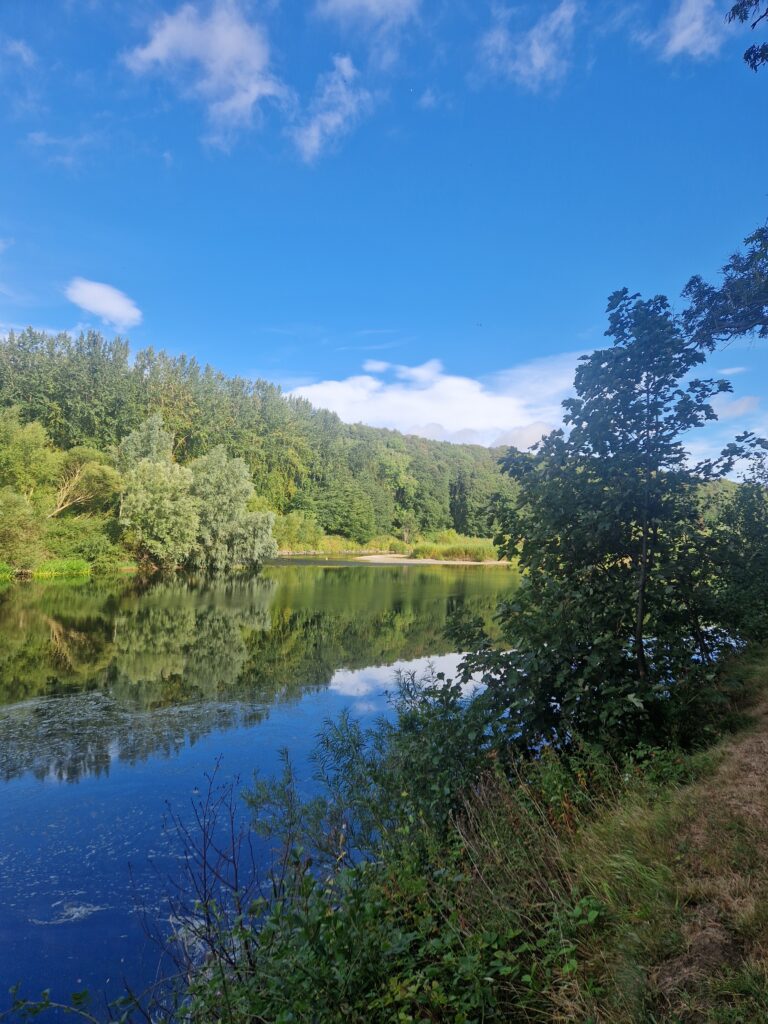
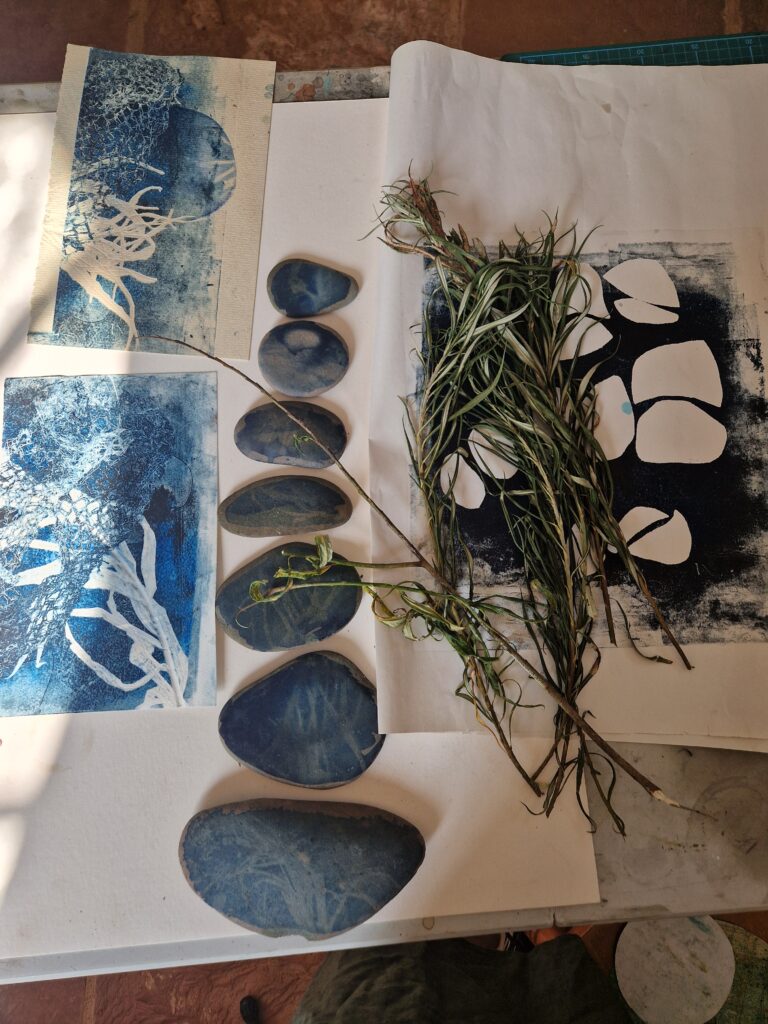
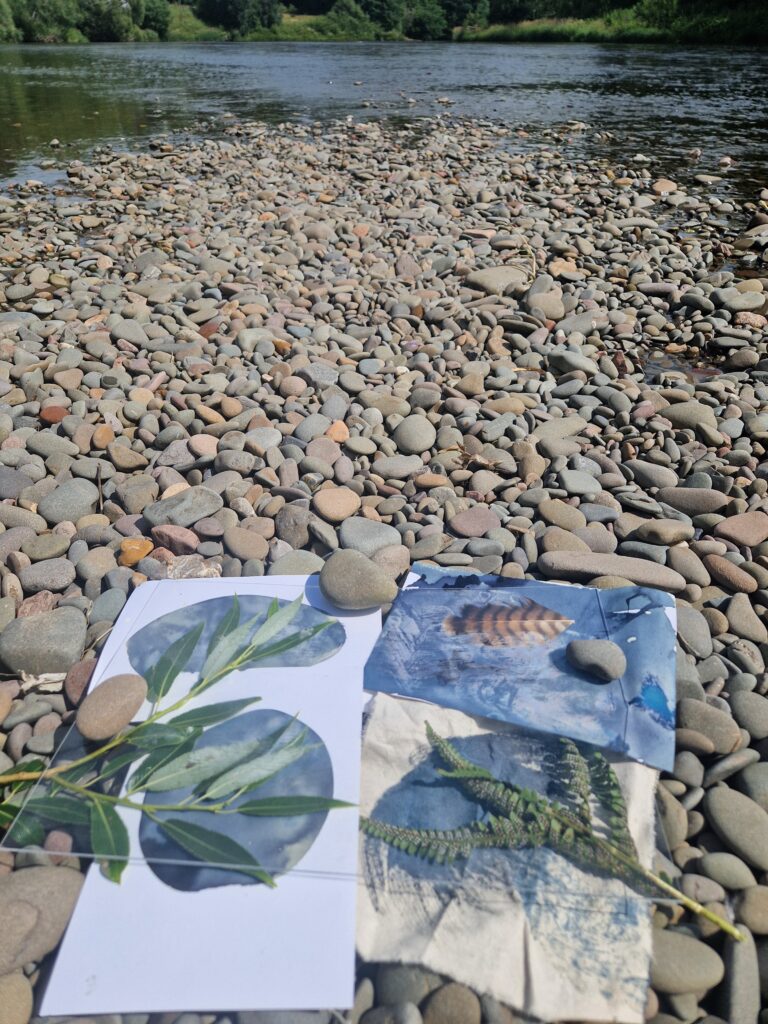
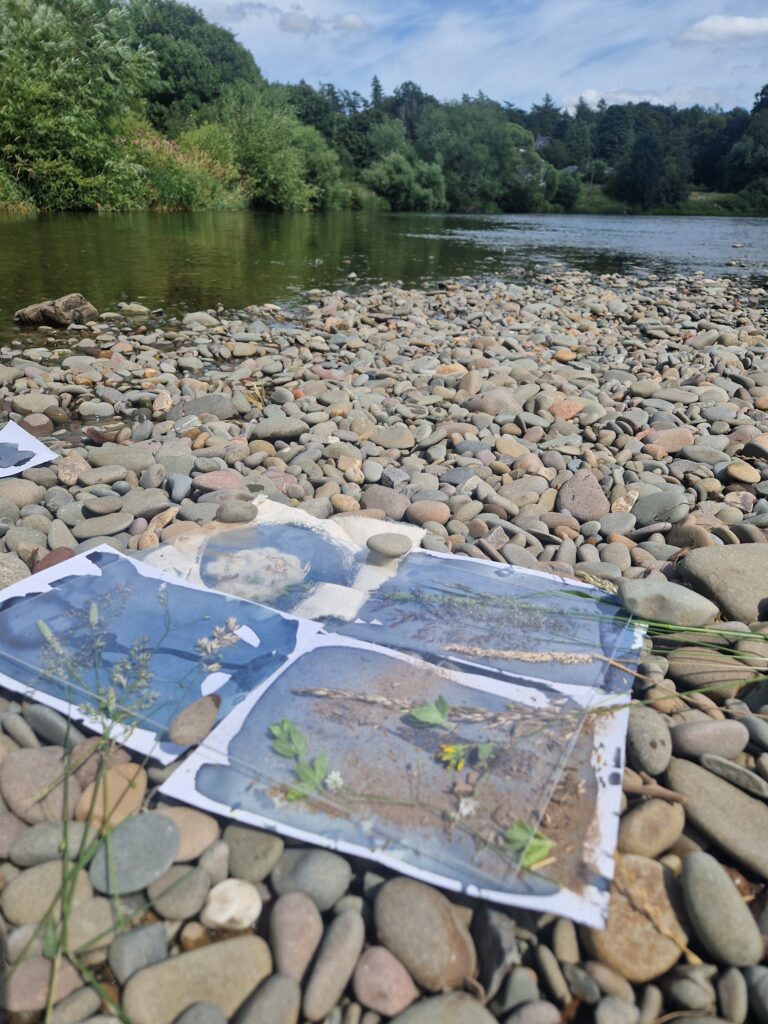
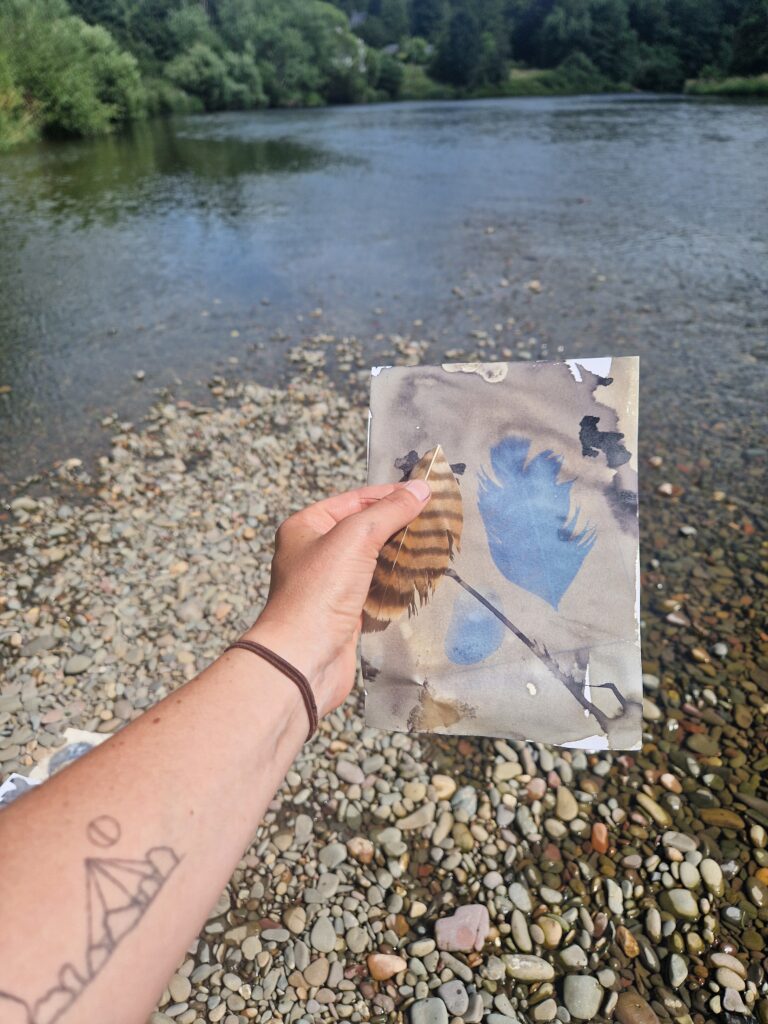
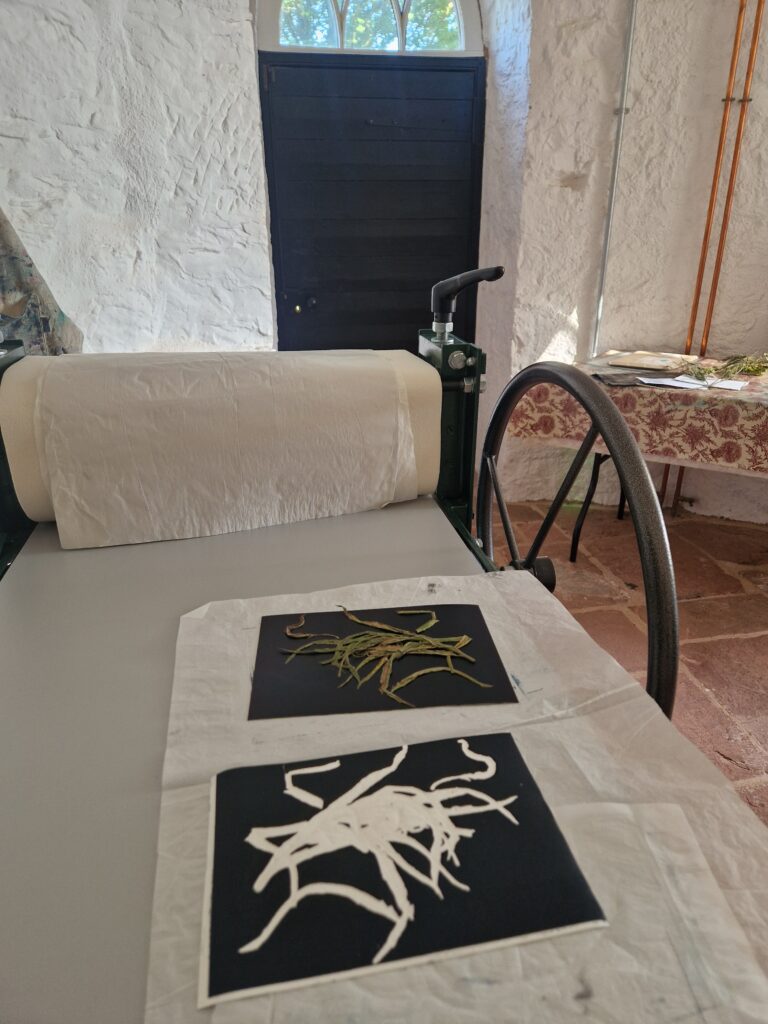
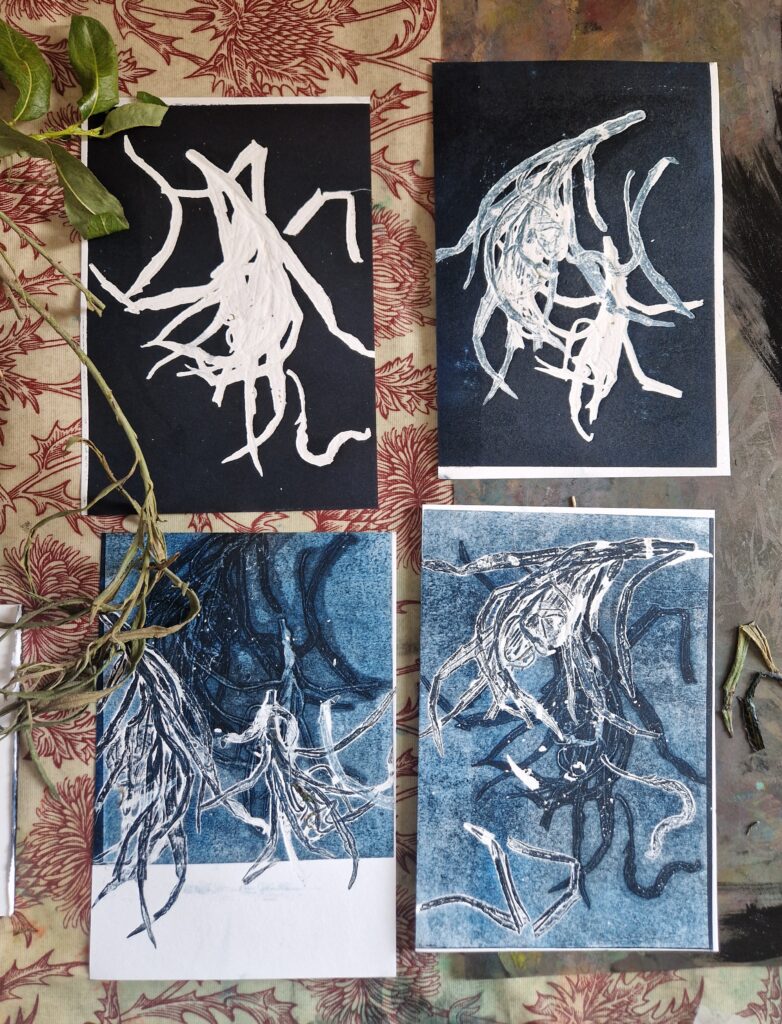
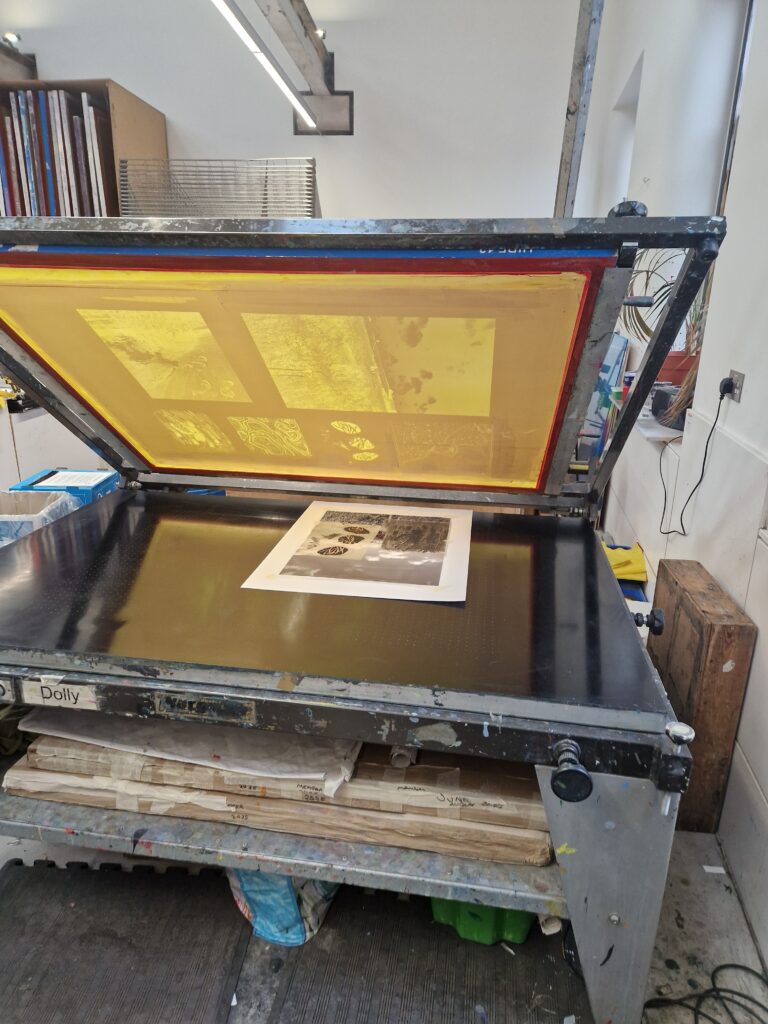
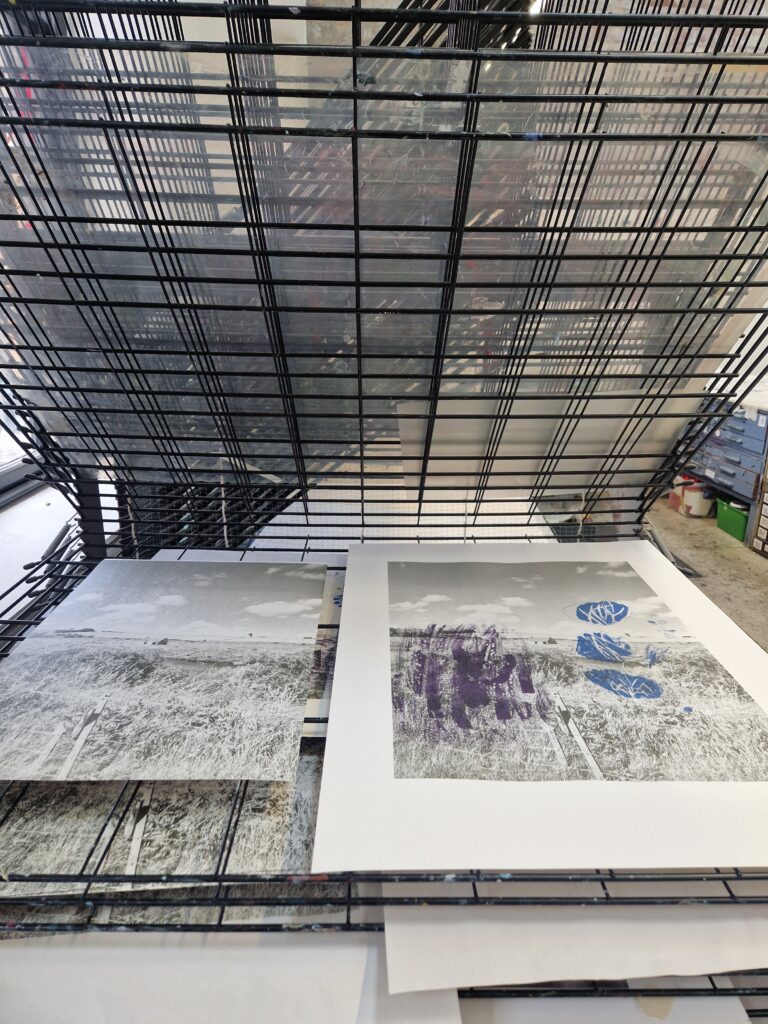
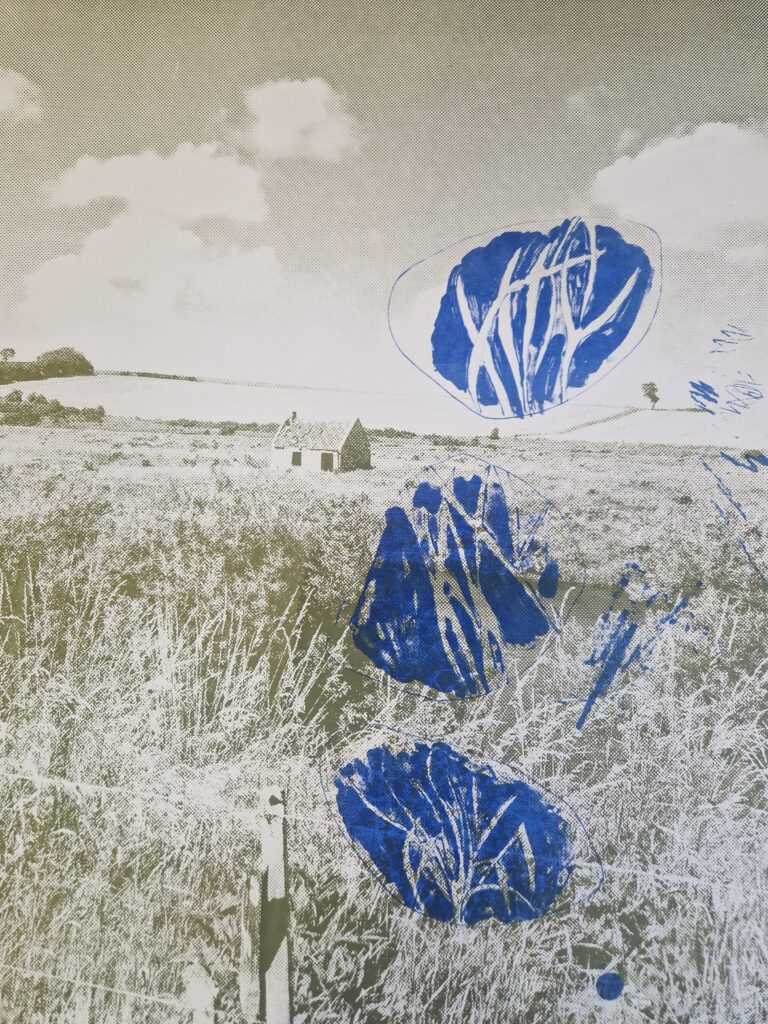
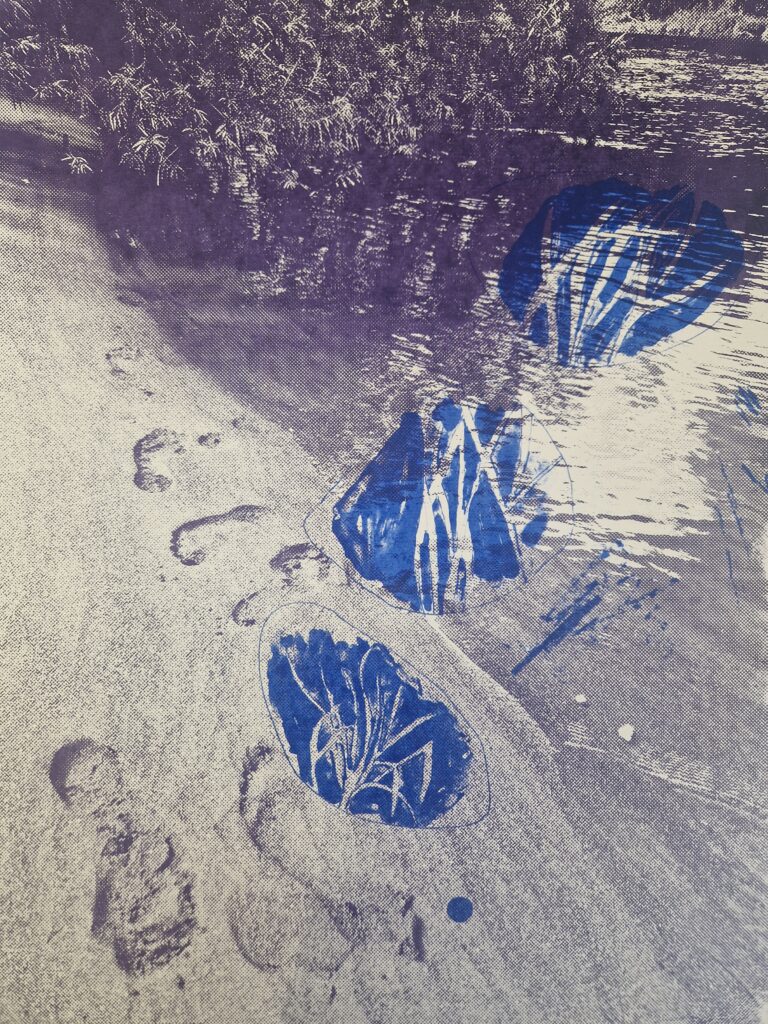
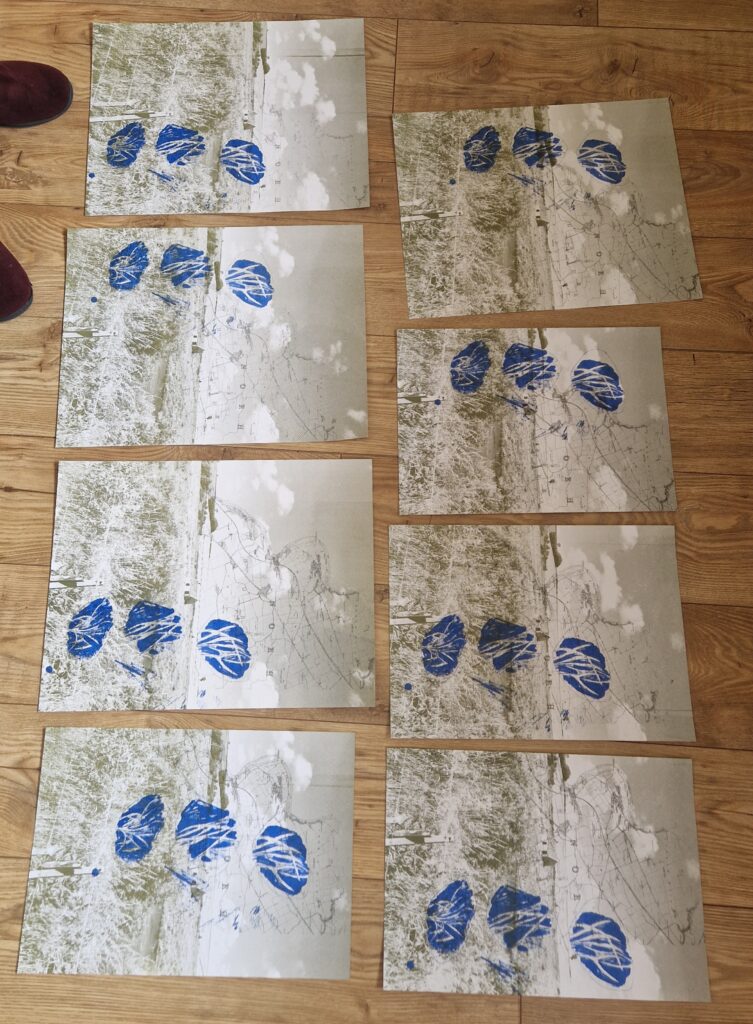
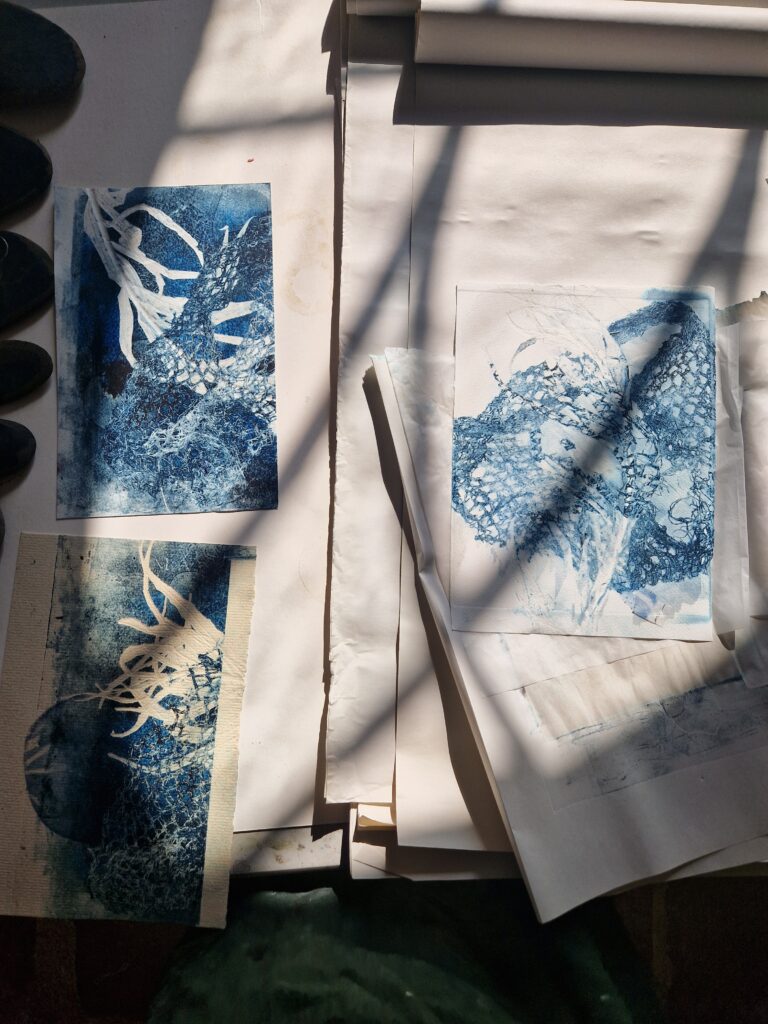
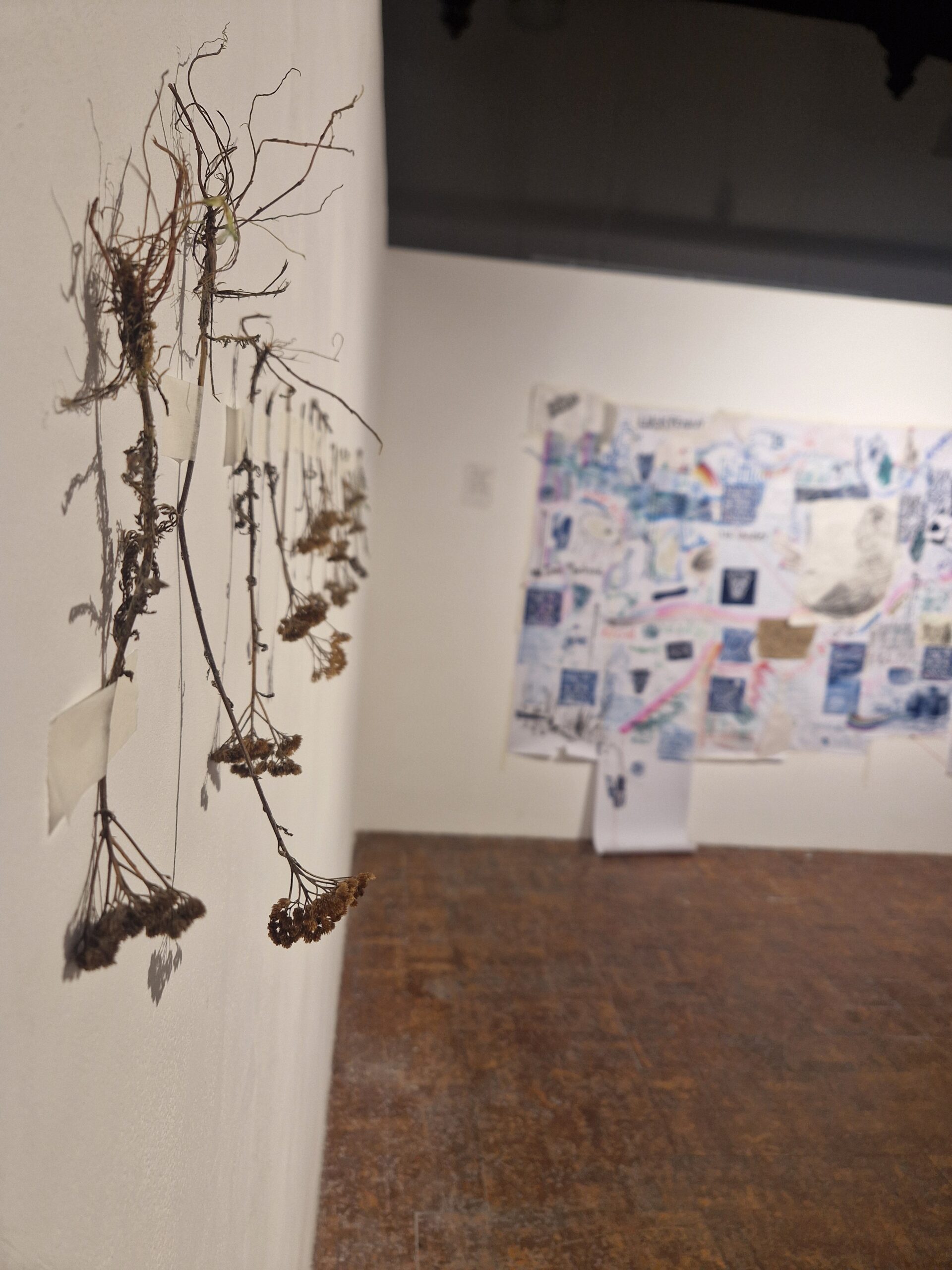
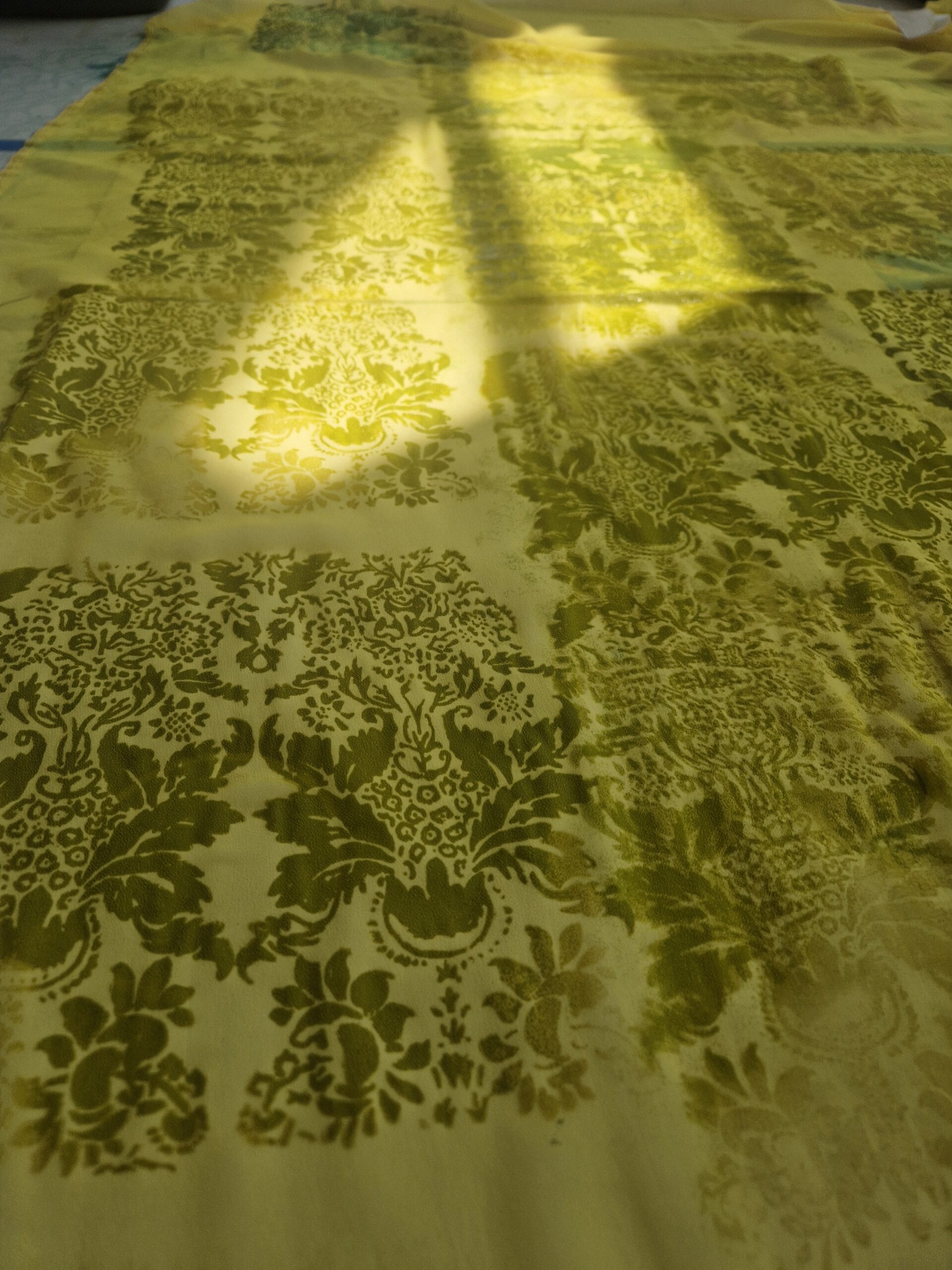
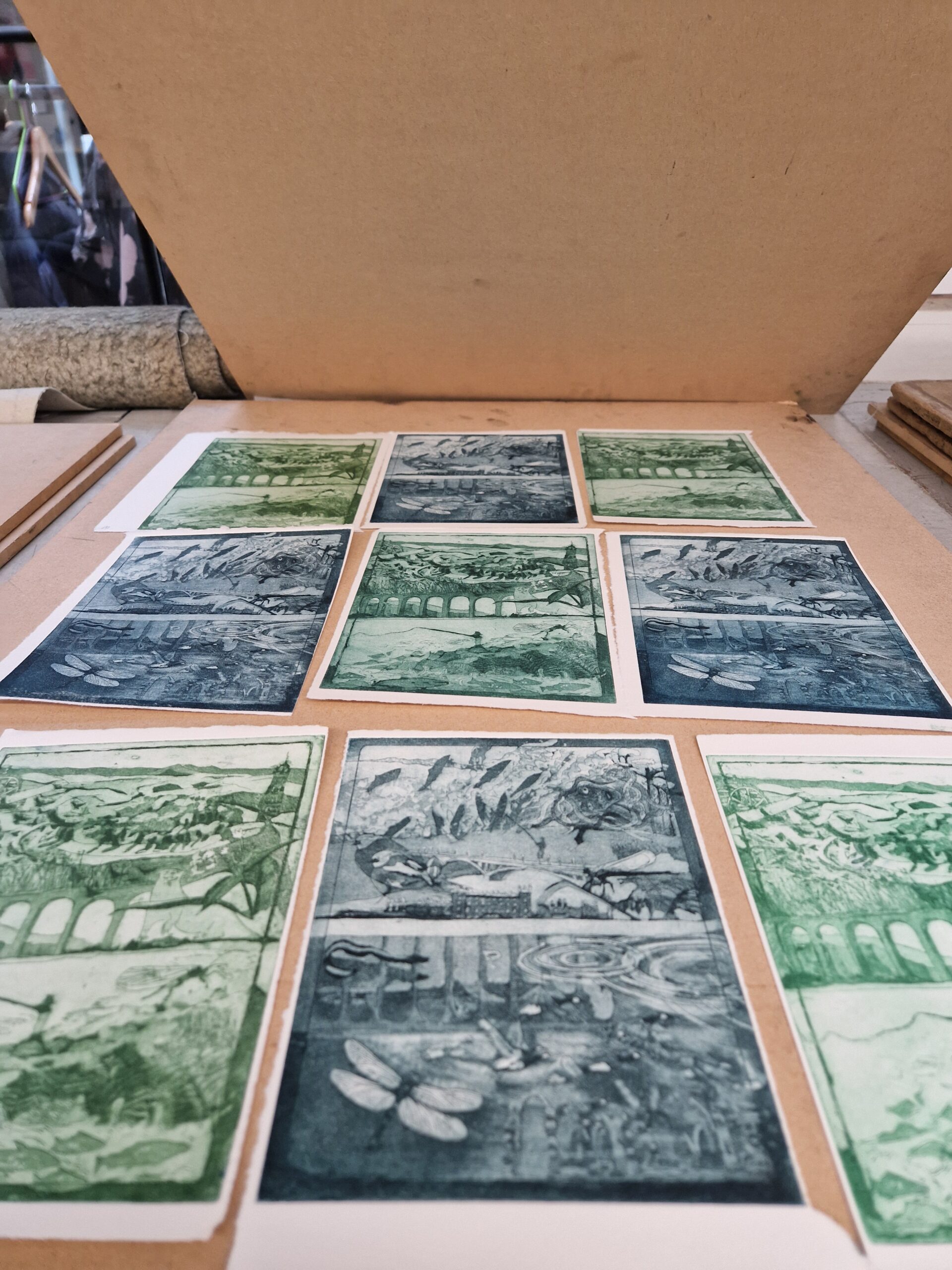
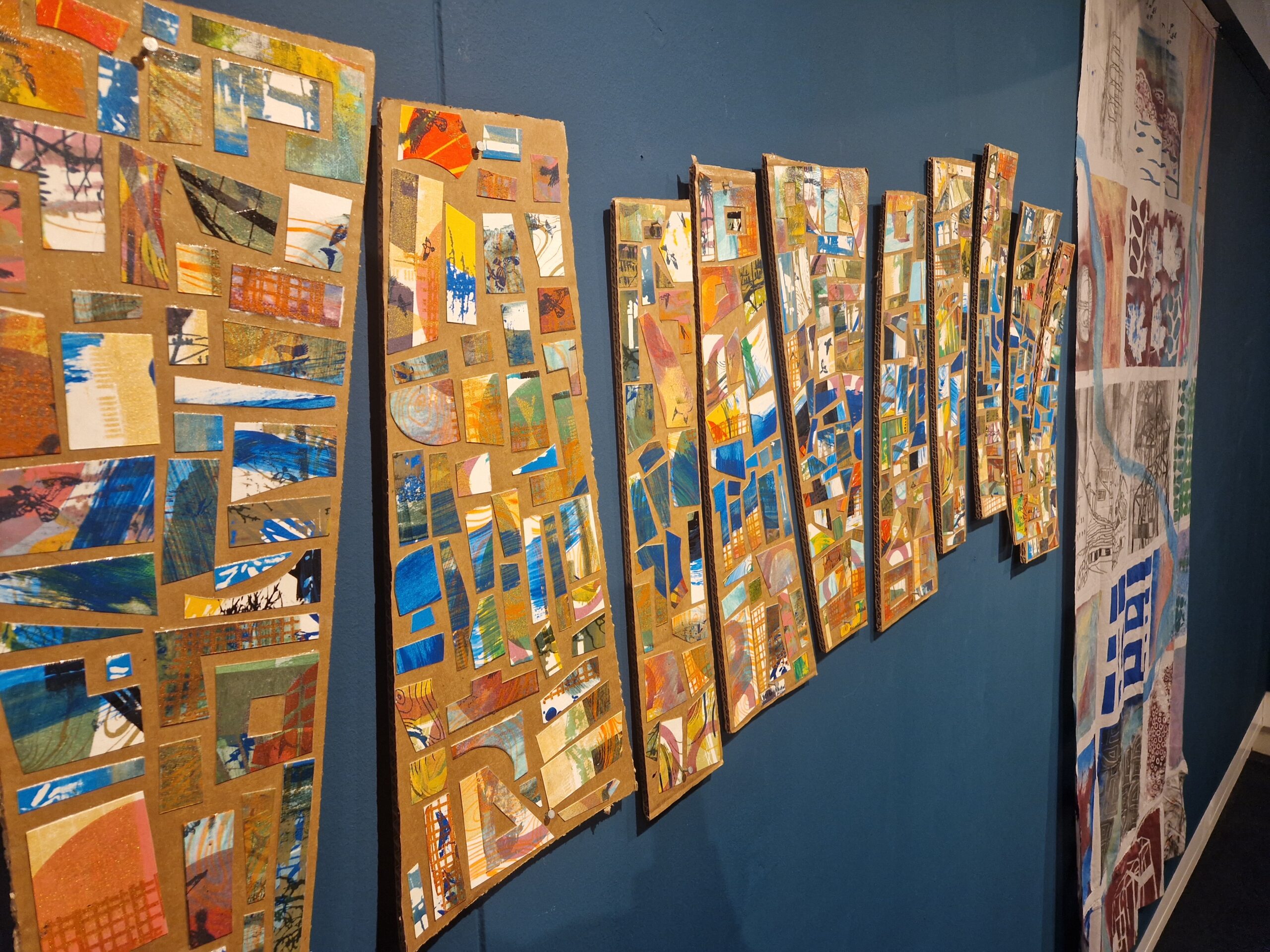
For me, an idea and its development into an art piece often starts with a walk and an intentional exploration of a place, so this became my starting point for the residency. The River and its banks and beds were explored alone and with fellow artists, writers and friends and through these explorations I decided to focus on the section of the Tweed from Coldstream to Berwick where the River becomes a Border not only a landmark. Drawing on maps, archives and found artefacts as starting points for my research I then began to make prints reacting simply to my experiences and discoveries I found along the way.
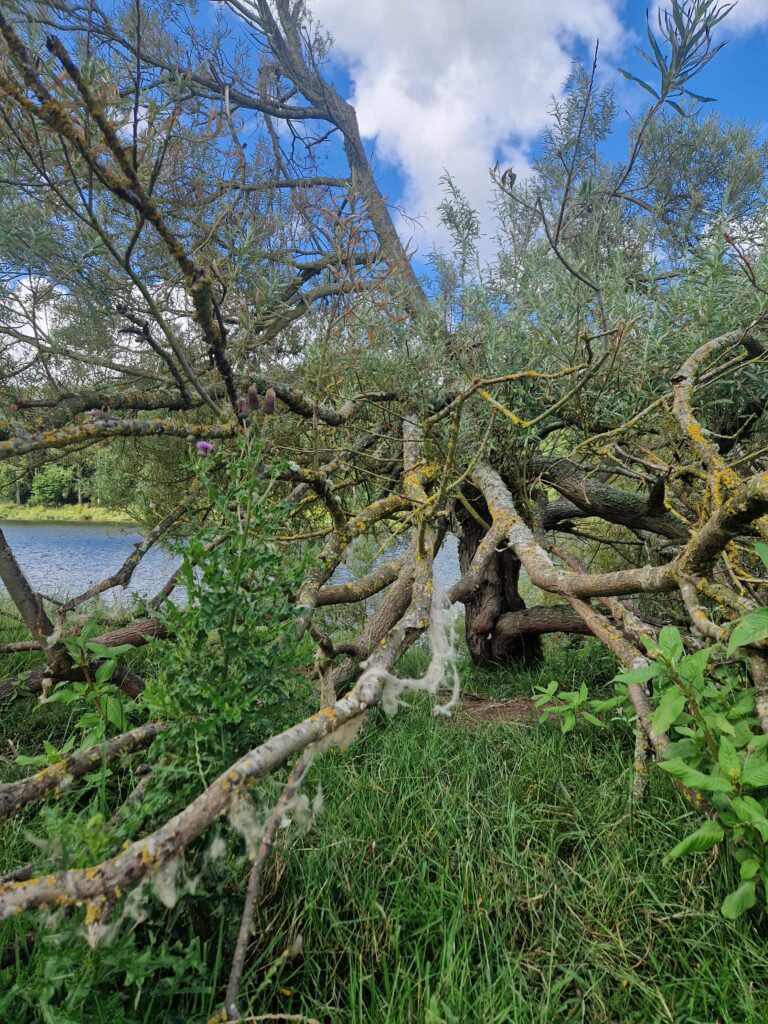
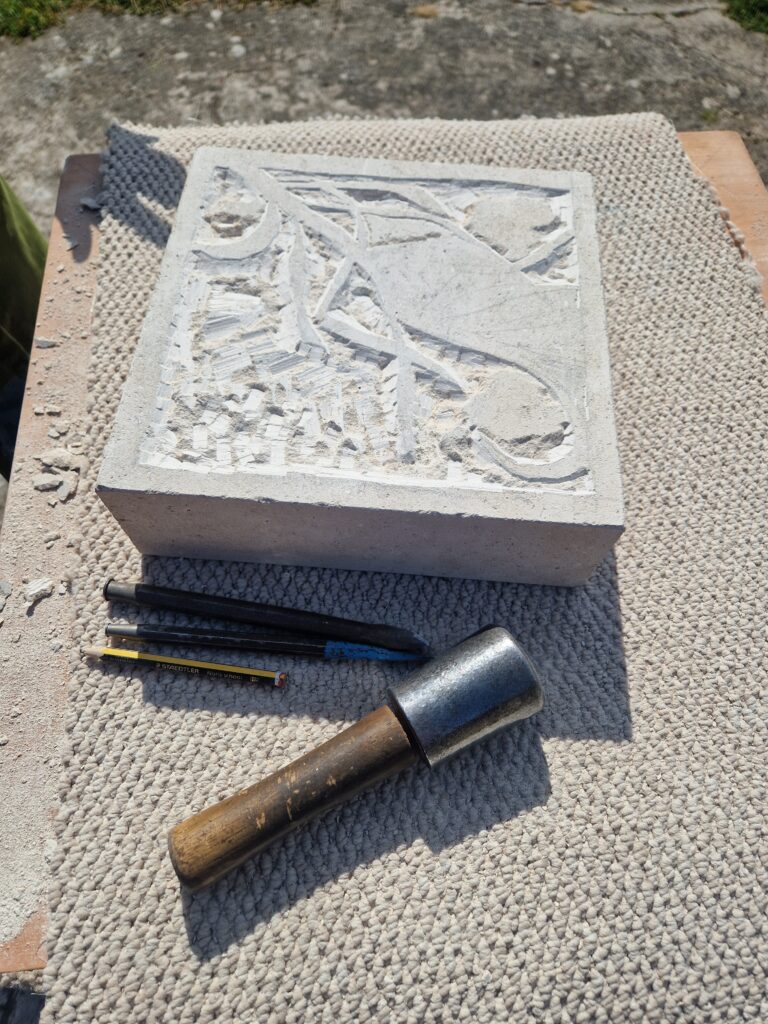
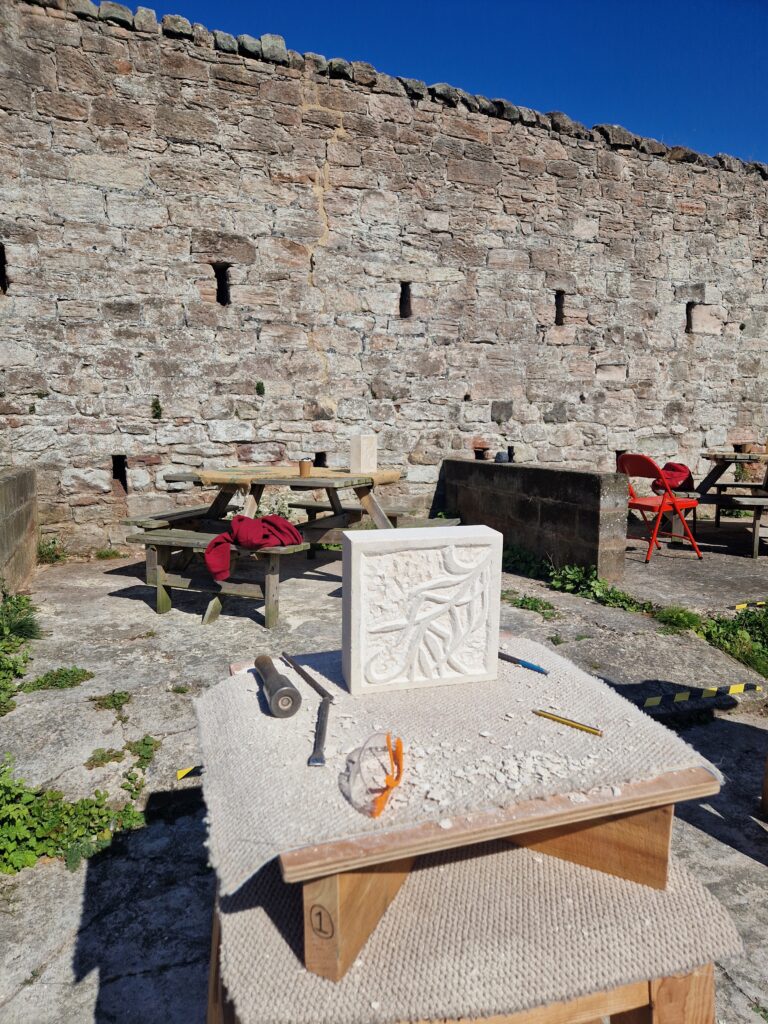
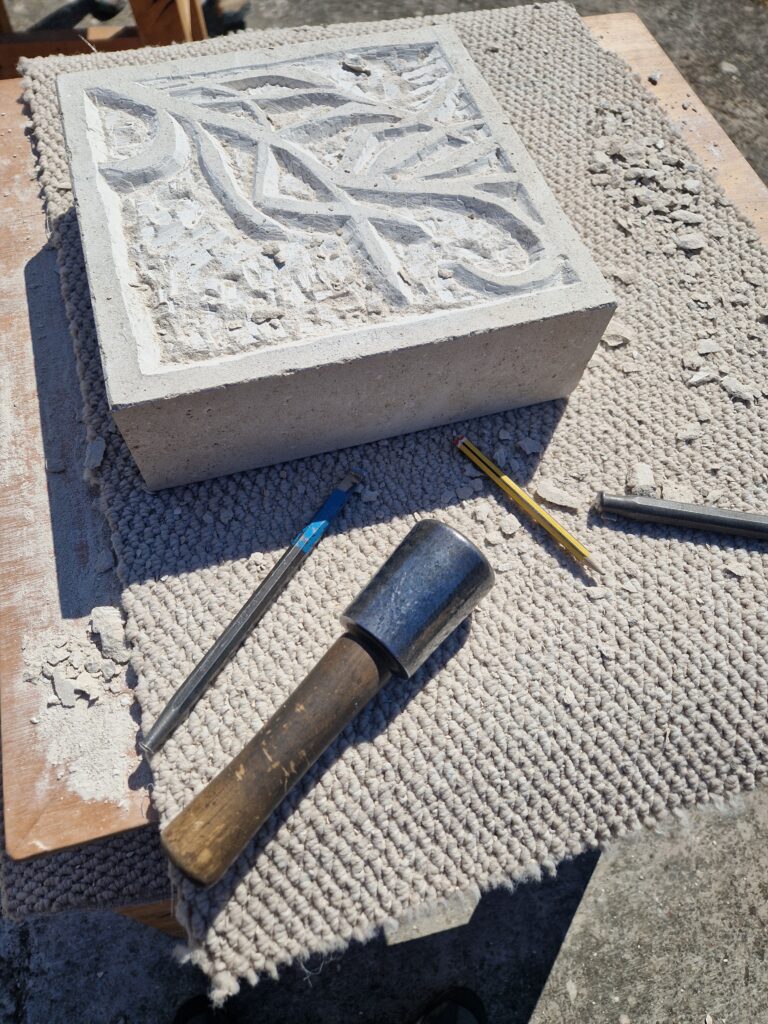
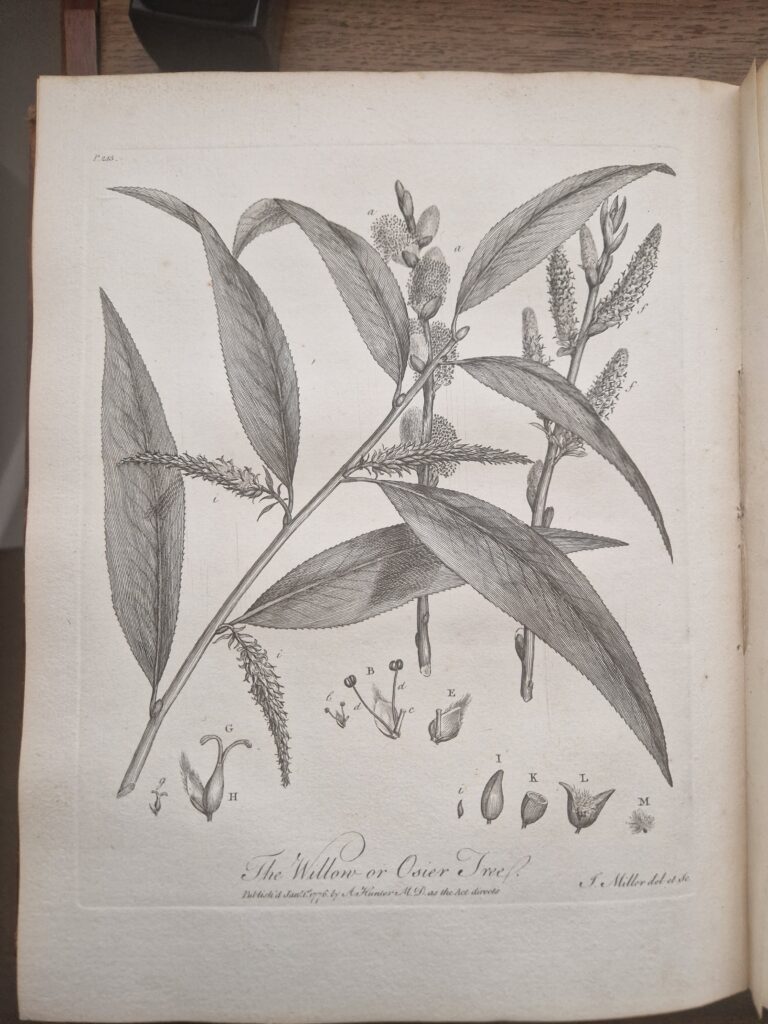
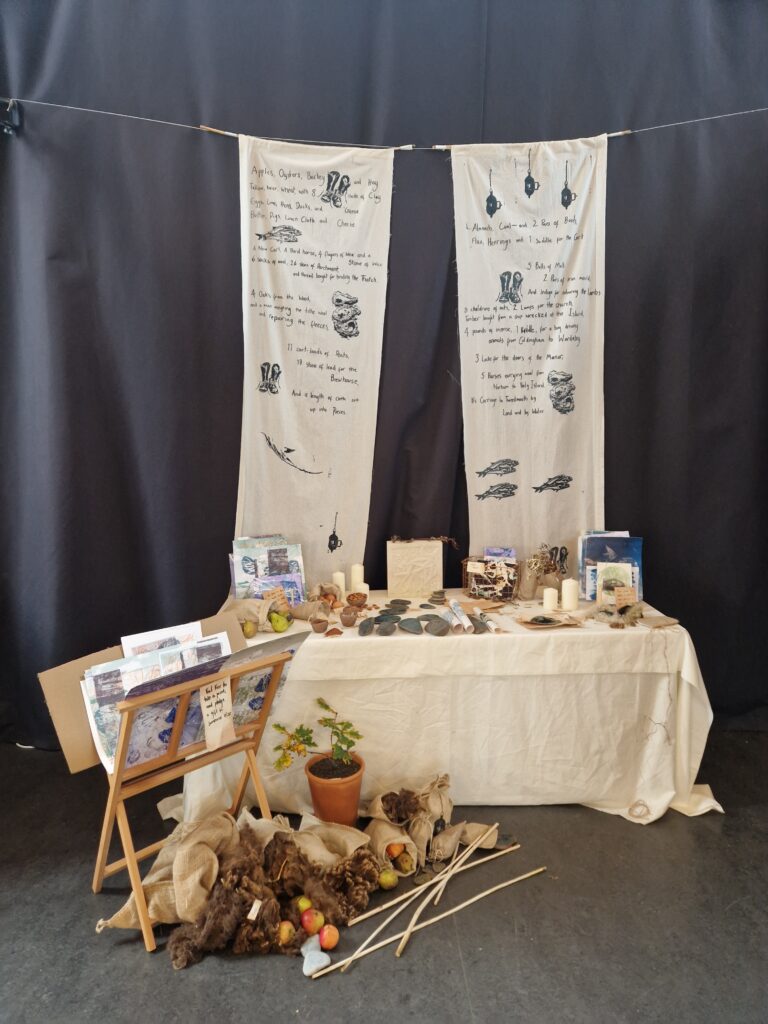
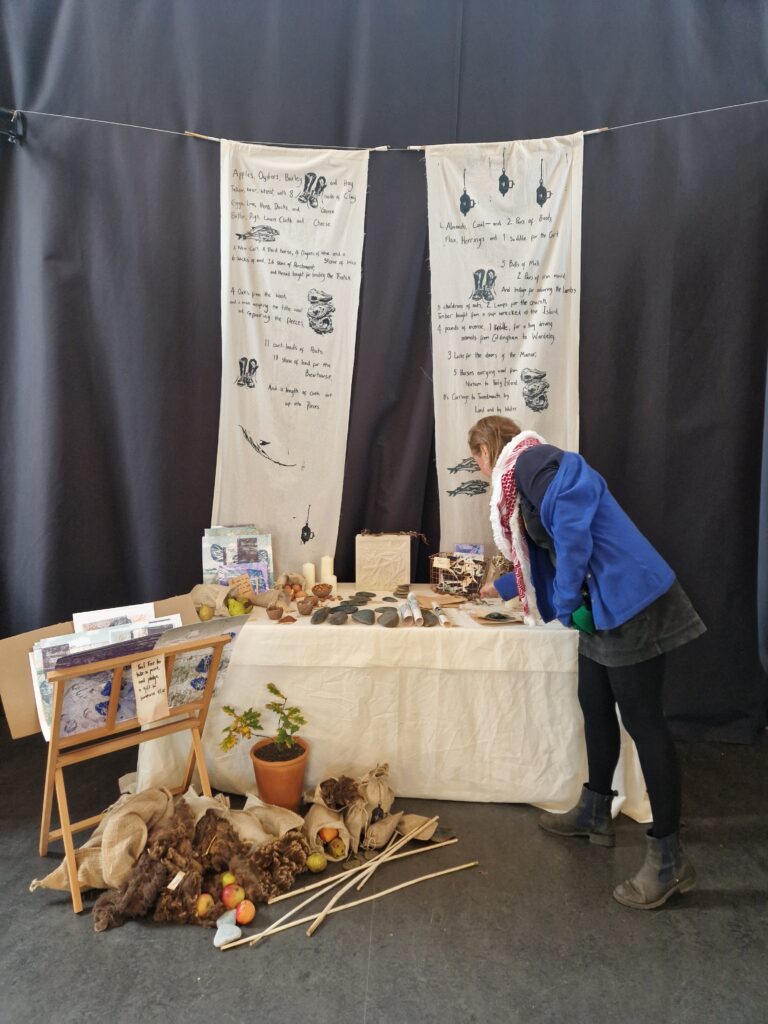
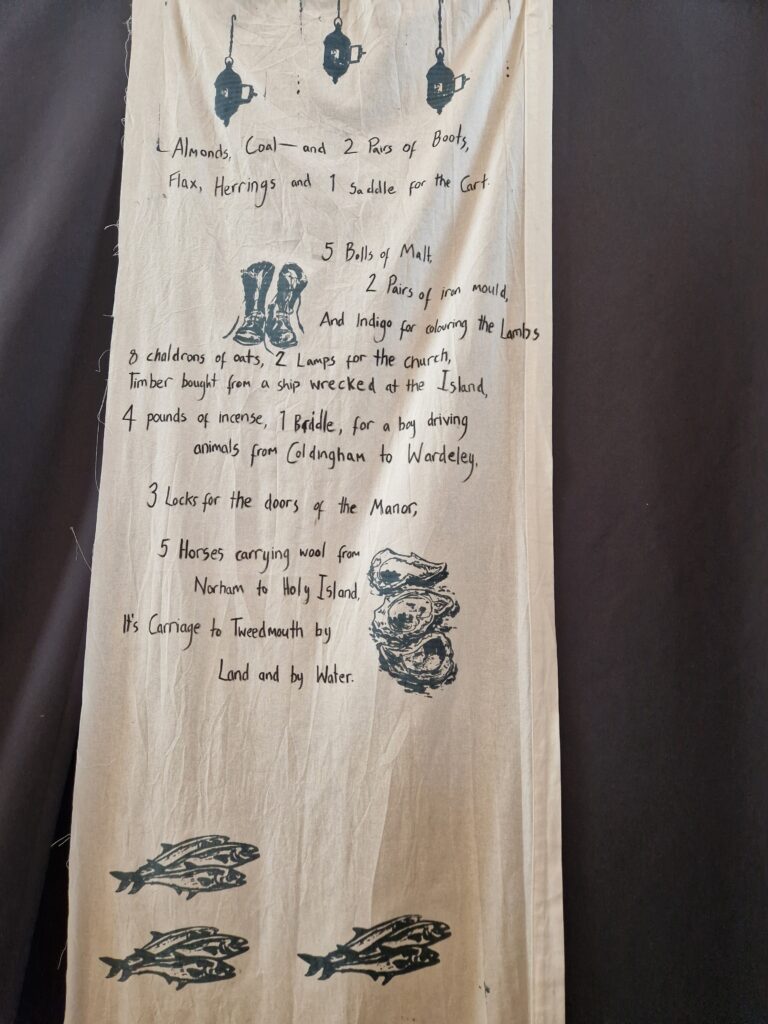
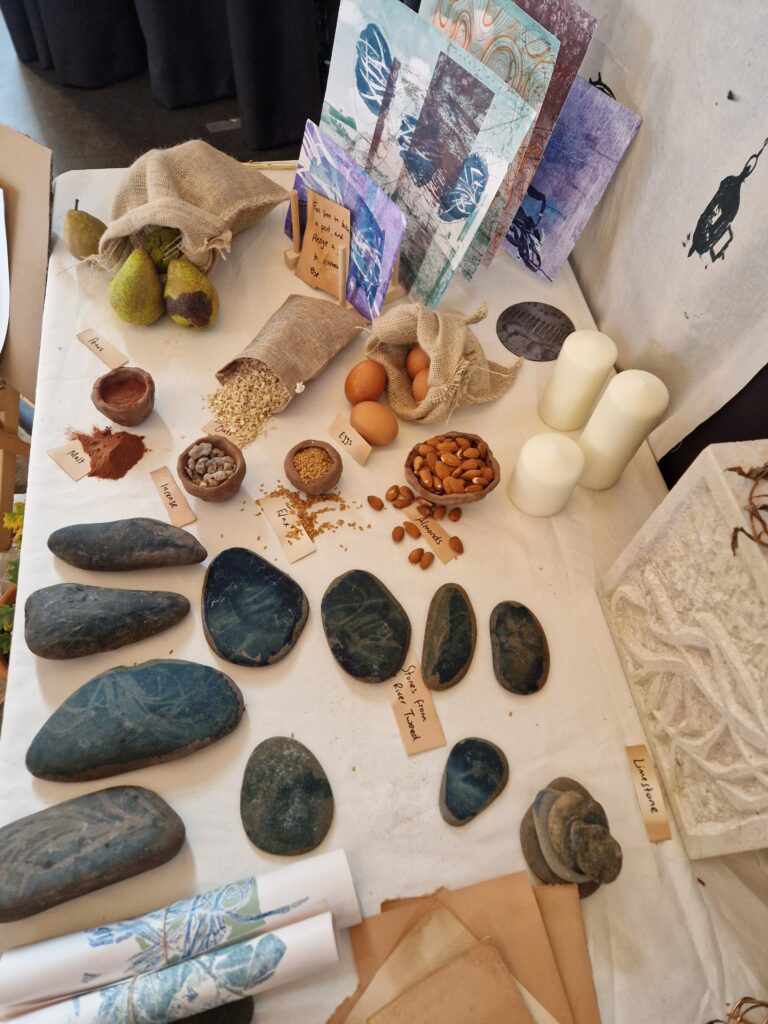
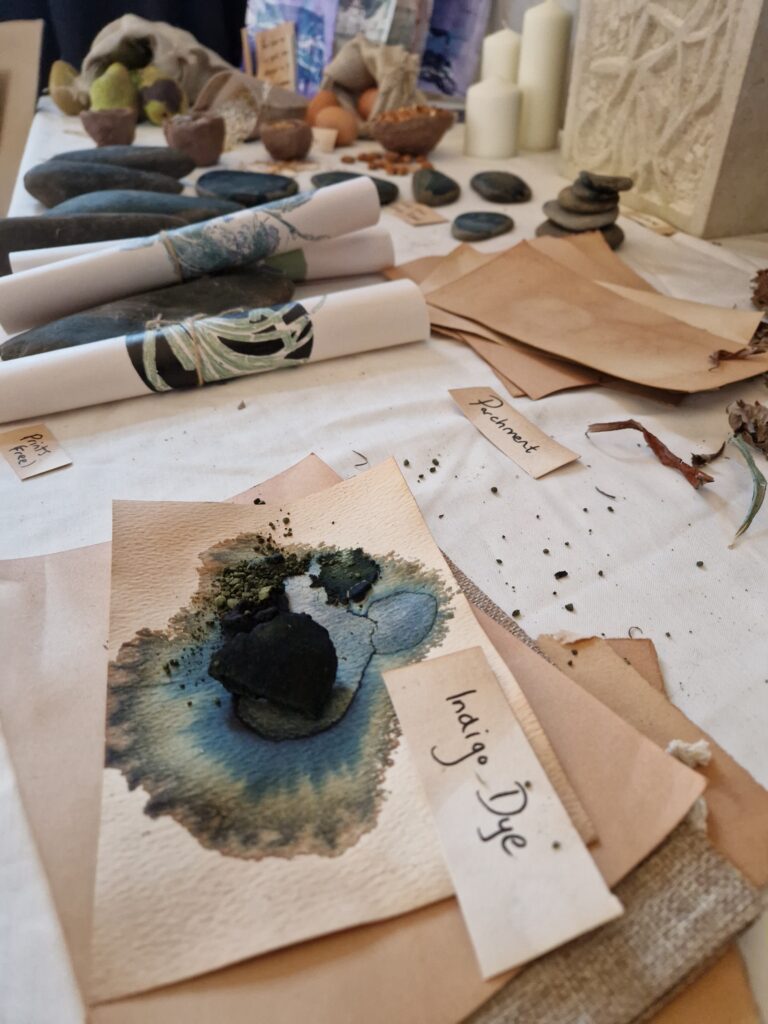
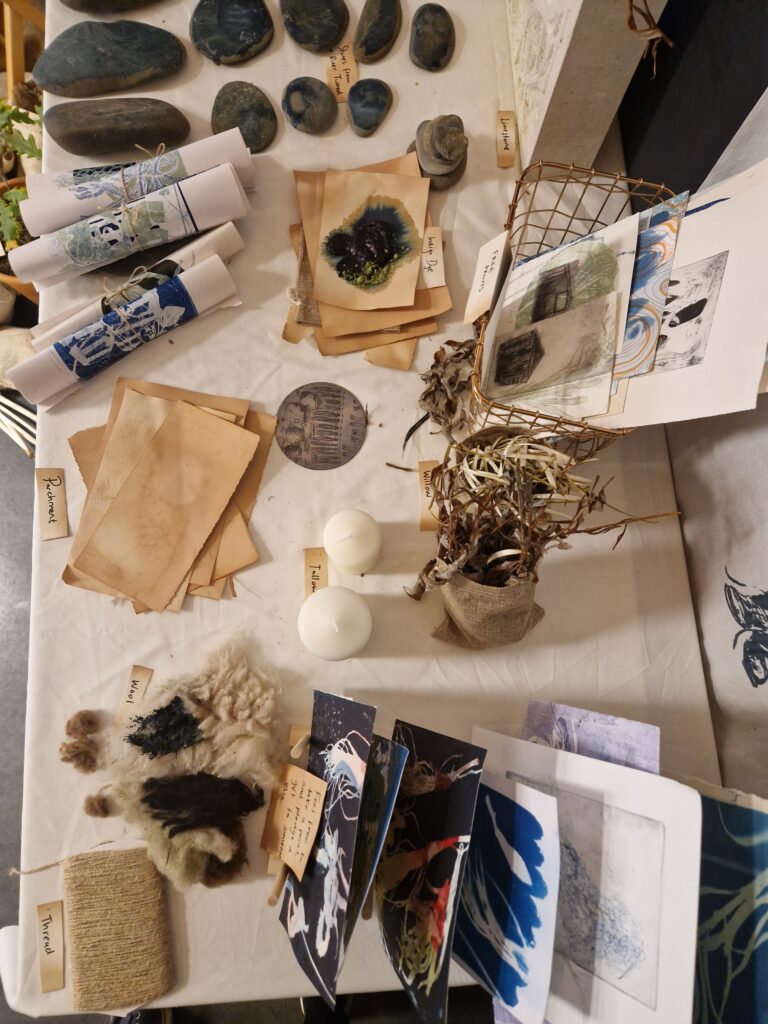
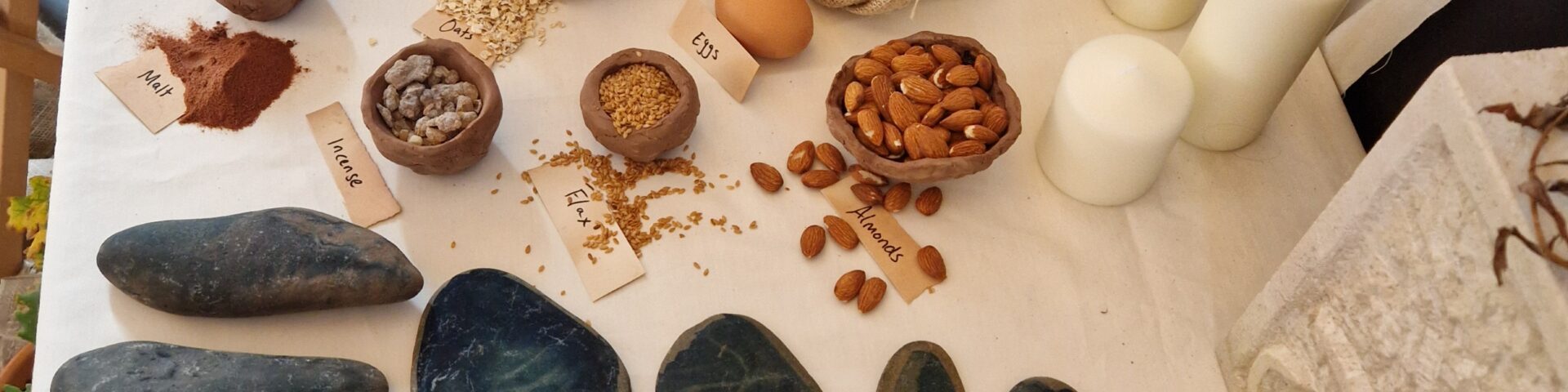
While grounded in the past, and particularly reflecting on medieval history after my exciting experience on an AOC Archaeological dig near Upsettlington and discovering the Raines book of Antiquaries in the Berwick Archives which documents inventories and accounts related to the lands of the bishops of Durham during the later medieval period, I was drawn to think questions about our present, and particularly our relationships with goods and what we consume in our society compared to the objects, food and materials that were crossing the River during the 1300s. We seem to have lost a simple understanding of where things come from and how they may be made and as the residency progressed, I began to focus on simple elements that made up the river banks and bed, wood and stone. I am continuing to explore with these simple materials through my printmaking practice and continued research, and thinking of ways art and our relationship with nature and the river can change our consumer way of thinking and shape the future to share its bounty together.